
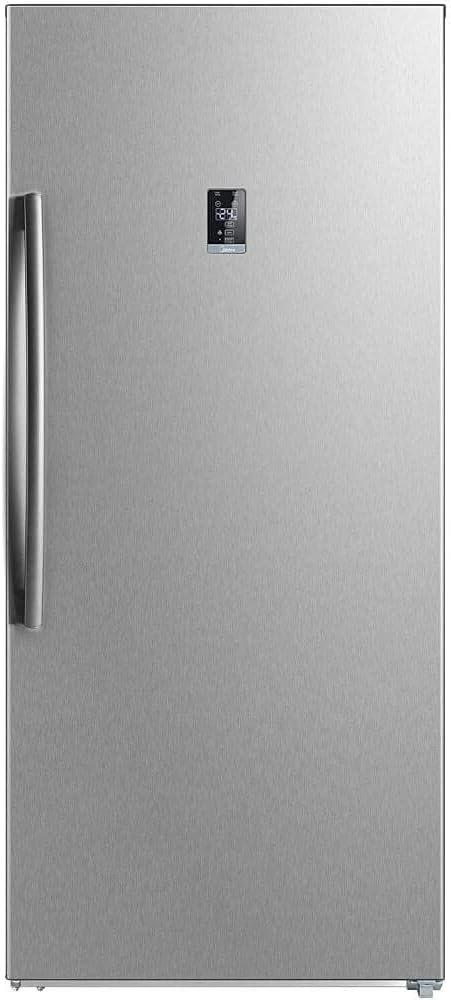
The Importance of Choosing the Right Freezer for Your Home
Selecting the appropriate freezer is critical for maintaining food safety, optimizing storage space, and managing energy costs. Whether you’re a homeowner with limited kitchen space, a small business owner requiring commercial-grade cooling, or an outdoor enthusiast needing garage-ready storage, the right freezer can significantly impact your daily operations. Modern freezers must balance capacity, energy efficiency, and adaptability to evolving household needs. For instance, a family with a growing freezer inventory may prioritize expandable storage, while a commercial kitchen might demand industrial-grade durability. The Midea WHS-625FWESS1 33 Convertible Upright Freezer exemplifies how contemporary freezer design integrates versatility, efficiency, and user-centric features to meet these diverse requirements. Its ability to function as both a freezer and refrigerator, combined with Energy Star certification, positions it as a strong contender for households seeking flexibility without compromising on performance. As we explore its specifications and real-world applications, this review will guide you through the key factors that determine freezer suitability for different lifestyles and environments.
Quick Overview
| Feature | Details |
|---|---|
| Freezer Type | Convertible Upright Freezer |
| Total Capacity | 17 Cubic Feet |
| Temperature Range | 0°F to 5°F (Freezer); 34°F to 40°F (Refrigerator) |
| Cooling Technology | Automatic Defrost, Compressor-Based |
| Energy Efficiency | Energy Star Certified |
| Noise Level | Low (1500 kWh Power Consumption) |
| Climate Readiness | Garage-Ready (No Frost Buildup) |
| Intended Use | Home Storage, Seasonal Food Preservation |
| Warranty | 1-Year Limited |
The Midea WHS-625FWESS1 33 Convertible Upright Freezer combines storage flexibility with energy-efficient operation, making it suitable for households requiring dual-purpose cooling. Its reversible door and adjustable shelves allow for tailored organization, while the Energy Star certification ensures reduced long-term energy costs. This model’s design caters to both indoor and outdoor storage needs, offering a practical solution for users with varying space constraints.

Storage Capacity and Internal Organization
The Midea WHS-625FWESS1 33 Convertible Upright Freezer’s 17 cubic feet of storage space is designed to accommodate a wide range of frozen goods, from bulk ice cream to seasonal produce. This capacity is particularly beneficial for households with moderate to high freezer needs, such as those with large families or frequent meal preppers. The internal organization features, including adjustable shelves and a reversible door, allow users to customize the layout based on their storage requirements. For example, the adjustable shelves can be configured to fit different container sizes, ensuring efficient use of vertical space. The reversible door adds convenience by allowing the freezer to be used as a refrigerator, which is ideal for users who need additional cooling for perishable items. This dual functionality makes the Midea model a versatile option for those who want to maximize their storage utility without purchasing separate appliances.
Adjustable Shelves and Space Optimization
The adjustable shelves in the Midea WHS-625FWESS1 33 Convertible Upright Freezer are engineered to provide optimal storage flexibility. These shelves can be repositioned to accommodate items of varying heights and sizes, ensuring that every inch of available space is utilized efficiently. This feature is particularly advantageous for users who frequently store items such as frozen meals, ice cream, and bulk frozen vegetables, which require different storage configurations. The ability to adjust the shelves also helps in preventing damage to delicate items by allowing for customized spacing. Additionally, the reversible door design allows the freezer to be used as a refrigerator, which is beneficial for users who need to store fresh produce or dairy products. This dual-purpose functionality enhances the freezer’s adaptability, making it suitable for households with fluctuating storage needs.
Convertible Design and Dual-Use Flexibility
The convertible feature of the Midea WHS-625FWESS1 33 Convertible Upright Freezer is a significant advantage for users who require both freezer and refrigerator capabilities. By simply reversing the door, the appliance can be switched between these modes, providing flexibility for different storage scenarios. This is particularly useful for households that need to store both frozen and fresh items, such as those preparing meals in advance or managing seasonal food storage. The dual-use capability also makes the freezer a cost-effective solution for users who might otherwise need to purchase separate appliances. However, it’s important to note that the convertible design may require additional space for the door to open fully, which could be a consideration for users with limited kitchen space. Despite this, the versatility of the Midea model makes it an attractive option for those seeking multifunctional storage solutions.
Energy Efficiency and Power Requirements
Energy efficiency is a critical factor for homeowners seeking to reduce long-term utility costs. The Midea WHS-625FWESS1 33 Convertible Upright Freezer is Energy Star certified, which indicates that it meets strict energy efficiency guidelines set by the U.S. Environmental Protection Agency. This certification ensures that the appliance consumes less energy compared to standard models, contributing to lower electricity bills over time. The freezer’s power requirements are designed to balance efficiency with performance, making it suitable for both residential and commercial use. The 1500 kWh power consumption rating is a key indicator of its energy efficiency, as it reflects the amount of energy the appliance uses during operation. This figure is particularly relevant for users who are concerned about their environmental impact or looking to minimize energy expenses. The Energy Star certification also suggests that the freezer is equipped with advanced insulation and compressor technology, which work together to maintain consistent temperatures while minimizing energy waste.
Automatic Defrost System and Energy Savings
The Midea WHS-625FWESS1 33 Convertible Upright Freezer features an automatic defrost system, which is a crucial component of its energy efficiency. Unlike manual defrost models, which require periodic manual intervention to remove frost buildup, the automatic defrost system operates on a timer or temperature sensor to prevent ice accumulation. This feature not only reduces the need for user maintenance but also ensures that the freezer maintains optimal cooling performance without energy waste. The defrost cycle is designed to occur at intervals that minimize energy consumption while preventing excessive frost buildup, which can insulate the cooling coils and reduce efficiency. By eliminating the need for manual defrosting, the automatic system contributes to long-term energy savings and enhances the overall reliability of the appliance. This is particularly beneficial for users who may not have the time or resources to perform regular maintenance tasks.
Insulation and Temperature Stability
The Midea WHS-625FWESS1 33 Convertible Upright Freezer’s energy efficiency is further enhanced by its advanced insulation and temperature stability features. High-quality insulation materials are used to minimize heat transfer between the interior and exterior of the appliance, ensuring that the freezer maintains a consistent temperature without excessive energy consumption. The insulation is designed to withstand temperature fluctuations, making the freezer suitable for both indoor and outdoor use, including garage storage. Temperature stability is achieved through the use of a compressor-based cooling system, which regulates the internal temperature to maintain optimal conditions for food preservation. This system is particularly effective in preventing temperature fluctuations that can lead to food spoilage or energy waste. The combination of insulation and compressor technology ensures that the freezer operates efficiently, providing reliable cooling performance while minimizing energy costs.
Noise Levels and Placement Considerations
Noise levels are an important consideration for users who plan to install the Midea WHS-625FWESS1 33 Convertible Upright Freezer in residential or commercial settings. The freezer is designed to operate with minimal noise, making it suitable for placement in areas where quiet operation is essential, such as kitchens or laundry rooms. The 1500 kWh power consumption rating also indicates that the appliance is engineered to balance performance with noise reduction. While the exact decibel level is not disclosed in the product specifications, the use of a compressor-based cooling system suggests that the freezer will produce a low to moderate noise level during operation. This is in contrast to older models that may generate more audible noise due to less efficient cooling mechanisms. The noise levels are further mitigated by the freezer’s design, which includes sound-dampening materials to reduce vibrations and external noise. Users should consider the placement of the freezer to ensure that it does not interfere with other appliances or disrupt the surrounding environment.
Placement and Environmental Considerations
The Midea WHS-625FWESS1 33 Convertible Upright Freezer is designed to be placed in a variety of environments, including indoor kitchens, utility rooms, and garage spaces. Its garage-ready design allows for outdoor storage without the risk of frost buildup, which is a common issue with traditional freezers. The freezer’s insulation and temperature stability features make it suitable for use in environments with fluctuating temperatures, provided it is placed in a location with adequate ventilation. Users should ensure that the freezer is installed in an area with a stable temperature range, as extreme heat or cold can affect its performance. Additionally, the freezer should be placed on a level surface to prevent vibrations that could impact its operation. These placement considerations are essential for maximizing the freezer’s efficiency and longevity, ensuring that it operates optimally in its intended environment.
Pros & Cons
Pros
- Convertible Design: The ability to switch between refrigerator and freezer modes provides flexibility for users with varying storage needs, making it ideal for households that require both fresh and frozen storage.
- Energy Star Certification: The Energy Star rating indicates that the Midea WHS-625FWESS1 33 Convertible Upright Freezer is energy-efficient, leading to reduced long-term electricity costs and a lower environmental impact.
- Adjustable Shelves: The customizable shelving system allows for efficient organization of frozen goods, accommodating items of different sizes and shapes.
- Reversible Door: The reversible door design enhances usability by allowing the freezer to be used as a refrigerator, which is beneficial for storing perishable items.
- Garage-Ready Design: The absence of frost buildup in the garage-ready model makes it suitable for outdoor storage, offering versatility for users with limited indoor space.
Cons
- Size Considerations: The 68″D x 33″W x 32″H dimensions may be too large for users with limited kitchen or storage space, potentially making it unsuitable for smaller households.
- Weight and Installation: The 195.2-pound weight requires careful placement and may necessitate additional space for installation, which could be a challenge for users with tight areas.
- Noise Level: While the freezer is designed for low noise, the compressor-based cooling system may produce a moderate level of noise during operation, which could be a concern for users in quiet environments.
- Limited Warranty: The 1-year limited warranty provides basic coverage but may not offer the extended protection that some users might expect from higher-end models.
Final Verdict: Who This Freezer Is Best For (and Who Should Skip It)
The Midea WHS-625FWESS1 33 Convertible Upright Freezer is best suited for households with moderate to high freezer storage needs, particularly those requiring both refrigeration and freezing capabilities. Its convertible design, Energy Star certification, and adjustable shelving make it an excellent choice for families, meal preppers, and users who need to store both fresh and frozen items. The garage-ready feature also makes it a practical option for users with limited indoor space, as it can be placed in a garage or utility area without the risk of frost buildup. However, this model may not be ideal for users with very limited kitchen space due to its size and weight. Additionally, those who prioritize noise reduction or require extended warranty coverage may find the Midea model less suitable. Overall, the freezer offers a balanced combination of efficiency, flexibility, and storage capacity, making it a strong contender for users seeking a versatile and energy-efficient appliance.
Frequently Asked Questions (FAQs)
What is the storage capacity of the Midea WHS-625FWESS1 33 Convertible Upright Freezer?
The Midea WHS-625FWESS1 33 Convertible Upright Freezer offers 17 cubic feet of storage space, suitable for both frozen and refrigerated items when used in its dual mode.
Is this freezer energy-efficient?
Yes, the Midea WHS-625FWESS1 33 Convertible Upright Freezer is Energy Star certified, indicating it meets energy efficiency standards for reduced long-term electricity costs.
Can the freezer be used as a refrigerator?
Yes, the reversible door design allows the Midea WHS-625FWESS1 33 Convertible Upright Freezer to function as a refrigerator, providing dual-purpose storage flexibility.
What are the dimensions of this freezer?
The Midea WHS-625FWESS1 33 Convertible Upright Freezer measures 68″ in depth, 33″ in width, and 32″ in height, making it suitable for larger kitchens or utility spaces.
Does this freezer have an automatic defrost system?
Yes, the Midea WHS-625FWESS1 33 Convertible Upright Freezer features an automatic defrost system to prevent frost buildup and ensure efficient operation.
Is the freezer suitable for garage use?
Yes, the Midea WHS-625FWESS1 33 Convertible Upright Freezer is designed for garage use with a frost-free interior, making it ideal for outdoor storage.
What is the noise level of this freezer?
The Midea WHS-625FWESS1 33 Convertible Upright Freezer operates with low noise levels, suitable for residential and commercial environments.
What is the warranty for this freezer?
The Midea WHS-625FWESS1 33 Convertible Upright Freezer comes with a 1-year limited warranty, covering manufacturing defects and mechanical issues.