
The Importance of Selecting the Right Freezer for Commercial and Residential Use
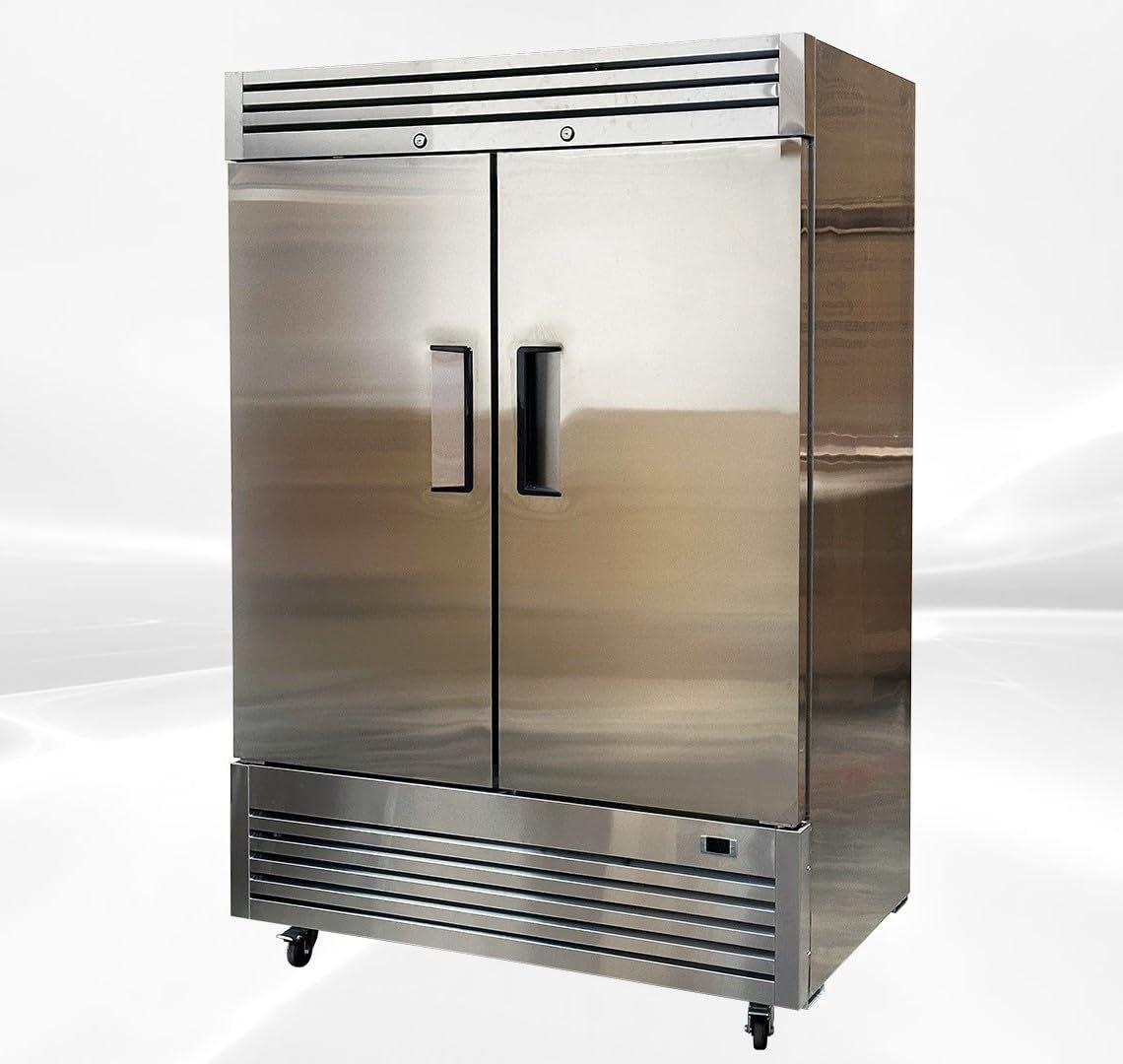
Choosing the appropriate freezer is critical for both commercial and residential applications, as it directly impacts food safety, operational efficiency, and long-term cost management. In commercial environments such as restaurants, food trucks, and catering services, freezers must maintain precise temperature control to preserve perishable goods while minimizing energy consumption and maintenance costs. For residential users, especially those with limited space or specific storage needs, the right freezer can optimize food preservation without compromising kitchen organization. The Commercial Reach-In 2-Door Freezer, model Cd-29f-1, represents a viable option for businesses requiring substantial storage capacity and durable construction. With its 49 cubic feet of space, stainless steel framework, and digital temperature control, this freezer is designed to meet the demands of commercial food storage while offering flexibility for residential use in appropriately sized spaces. Understanding the key factors that influence freezer selection—including storage capacity, temperature stability, energy efficiency, and warranty terms—can help users make informed decisions that align with their specific needs and operational requirements.
Quick Overview
| Feature | Details |
|---|---|
| Freezer Type | Commercial Reach-In Freezer |
| Total Capacity | 49 Cubic Feet |
| Temperature Range | -8°F to 0°F |
| Cooling Technology | Ventilated Cooling System, Digital Temperature Control |
| Energy Efficiency | ETL Certified, 750 Watts |
| Noise Level | Not Disclosed |
| Climate Readiness | Not Designed for Extreme Environments |
| Intended Use | Commercial Food Storage, Residential Use in Large Spaces |
| Warranty | 3-Year All-Parts, 6-Year Compressor, 1-Year Labor |
This freezer’s combination of stainless steel construction, adjustable shelving, and precise temperature regulation makes it suitable for commercial kitchens or large-scale food storage operations. Its 49 cubic feet capacity provides ample space for bulk storage while maintaining consistent cooling efficiency. The ETL certification ensures compliance with safety and performance standards, making it a reliable choice for businesses prioritizing food safety and regulatory adherence.

Storage Capacity and Internal Organization
The 49 cubic feet capacity of the Commercial Reach-In Freezer is a significant factor for users requiring substantial storage space. This volume is ideal for commercial applications such as food service operations, where large quantities of frozen goods must be stored efficiently. The freezer’s internal layout includes 6 adjustable shelves, allowing users to customize storage configurations based on the size and type of food items. This flexibility is crucial for maintaining optimal airflow and preventing temperature fluctuations that could compromise food quality. The stainless steel interior is not only durable but also easy to clean, reducing the risk of bacterial buildup and ensuring compliance with hygiene standards in commercial settings.

Adjustable Shelving and Space Optimization
The 6 adjustable shelves provide users with the ability to tailor storage arrangements to their specific needs. This feature is particularly beneficial in commercial environments where different food items require varying levels of storage depth and space. For example, larger packages such as frozen meats or bulk ingredients can be placed on lower shelves, while smaller items like frozen vegetables or ready-to-eat meals can be stored on upper levels. The adjustable design also accommodates seasonal storage needs, allowing users to reconfigure the interior as demand changes. This adaptability enhances the freezer’s utility in both short-term and long-term food storage scenarios.
Internal Layout and Accessibility
The freezer’s internal layout is designed to maximize accessibility while maintaining efficient cooling. The stainless steel interior, combined with the ventilated cooling system, ensures uniform temperature distribution throughout the storage space. This is critical for preventing cold spots that could lead to partial thawing of frozen goods. The absence of a door-mounted hinge design minimizes air leakage when the doors are opened, contributing to energy efficiency and temperature stability. For commercial users, this design feature reduces the frequency of door openings needed to access stored items, thereby preserving the freezer’s cooling performance and extending the lifespan of the compressor.
Food Safety and Hygiene Considerations
The stainless steel interior and rounded corners of the freezer facilitate thorough cleaning, which is essential for maintaining food safety standards in commercial environments. The non-porous surface resists stains and bacterial growth, reducing the risk of contamination. Additionally, the inclusion of LED interior lighting improves visibility, making it easier to locate and retrieve stored items without having to open the freezer doors excessively. These design elements work together to support hygienic storage practices, ensuring that frozen goods remain safe for consumption over extended periods.
Temperature Control and Cooling Performance
Precise temperature control is a critical factor in maintaining the quality and safety of frozen food. The Commercial Reach-In Freezer’s digital temperature controller allows users to set and maintain temperatures between -8°F and 0°F, a range that is optimal for preserving frozen goods without causing freezer burn or thawing. This temperature range is particularly important in commercial settings where consistent cooling is necessary to meet food safety regulations and prevent spoilage. The digital display provides real-time monitoring, enabling users to make adjustments as needed without relying on manual checks or guesswork.

Digital Temperature Control and Precision
The freezer’s digital temperature control system ensures that the internal environment remains stable, even in fluctuating ambient conditions. This feature is especially beneficial for businesses operating in environments where temperature variations could impact cooling efficiency. The LED display allows users to monitor temperature settings at a glance, reducing the risk of human error in maintaining optimal storage conditions. The system’s ability to maintain a consistent temperature range is supported by the ventilated cooling system, which distributes cold air evenly throughout the storage space.
Ventilated Cooling System and Airflow Management
The ventilated cooling system enhances the freezer’s ability to maintain uniform temperature distribution. By promoting consistent airflow, this system prevents the formation of cold spots that could lead to uneven freezing or thawing of stored items. The design of the cooling system is particularly advantageous in commercial applications where large volumes of food are stored, as it ensures that all items are exposed to the same cooling conditions. This uniformity is essential for preserving the texture, flavor, and nutritional value of frozen foods over time.
Energy Efficiency and Operational Costs
The freezer’s energy efficiency is an important consideration for businesses looking to manage operational costs. While the exact energy consumption is not specified in the product details, the ETL certification indicates that the unit meets recognized safety and performance standards. The 750-watt power rating suggests that the freezer is designed for efficient operation, though users should consider their specific energy usage patterns and local utility rates when evaluating long-term costs. The combination of digital temperature control and ventilated cooling system contributes to the freezer’s overall energy efficiency, making it a suitable choice for commercial environments that prioritize cost-effective storage solutions.
Durability, Warranty, and Long-Term Reliability
The durability of a freezer is a key factor in its long-term reliability and cost-effectiveness. The Commercial Reach-In Freezer’s construction features stainless steel both for the interior and exterior, providing resistance to corrosion, scratches, and environmental wear. This material choice ensures that the freezer can withstand the rigors of commercial use, including frequent door openings, temperature fluctuations, and exposure to moisture. The rounded corners of the interior further enhance durability by reducing the risk of damage from sharp edges and minimizing the accumulation of debris.

Stainless Steel Construction and Environmental Resistance
Stainless steel is an ideal material for commercial freezers due to its ability to withstand harsh conditions without degrading. The exterior stainless steel frame is resistant to rust and corrosion, making it suitable for use in environments with high humidity or exposure to outdoor elements. The interior stainless steel lining is equally important, as it prevents the buildup of mold and bacteria, which is critical for maintaining food safety in commercial settings. This construction also facilitates easy cleaning, reducing maintenance efforts and extending the freezer’s lifespan.
Warranty and Long-Term Support
The warranty terms for the Commercial Reach-In Freezer provide assurance regarding its long-term reliability. The unit comes with a 3-year all-parts warranty, a 6-year compressor warranty, and a 1-year labor warranty. These terms indicate that the manufacturer has confidence in the product’s durability and performance. The extended compressor warranty is particularly significant, as the compressor is one of the most critical and expensive components in a freezer. This warranty offers users peace of mind, ensuring that major repairs are covered for an extended period.
Maintenance and Service Considerations
The freezer’s design includes features that simplify maintenance and service. The mounted casters allow for easy mobility, which is beneficial for businesses that need to relocate the unit or adjust its position within a facility. The inclusion of a ventilated cooling system reduces the likelihood of mechanical failures, contributing to the freezer’s overall reliability. However, users should be aware that the warranty does not cover equipment used in food trucks, trailers, boats, or residential addresses, which may affect long-term support options for certain applications.

Pros & Cons
Pros
- Spacious 49 Cubic Feet Capacity: Ideal for commercial food storage, providing ample space for bulk items without compromising cooling efficiency.
- Digital Temperature Control: Ensures precise temperature regulation between -8°F and 0°F, with an LED display for real-time monitoring.
- Stainless Steel Construction: Resists corrosion, scratches, and environmental wear, enhancing durability in commercial environments.
- Ventilated Cooling System: Promotes uniform temperature distribution, preventing cold spots and ensuring consistent cooling performance.
- Adjustable Shelves: Allows customization of storage configurations to accommodate different food item sizes and storage needs.
- ETL Certification: Indicates compliance with safety and performance standards, making it a reliable choice for businesses.
- Mountable Casters: Enables easy mobility for repositioning the freezer within a facility or adjusting storage layouts.
- Extended Compressor Warranty: Provides long-term support for a critical component, reducing the risk of unexpected repair costs.
Cons
- Not Suitable for Small Spaces: The 54-inch width and 81-inch height make it impractical for residential kitchens or small commercial operations.
- Noise Level Not Disclosed: Users may need to consider potential noise output, which could affect placement in certain environments.
- Energy Consumption Unclear: While the 750-watt rating suggests efficiency, exact energy usage may vary based on operational conditions.
- Warranty Exclusions: The warranty does not cover equipment used in food trucks, trailers, boats, or residential addresses, which may limit long-term support for certain applications.
- No Climate Readiness: The freezer is not designed for extreme environments, restricting its use in garages or outdoor settings.
Final Verdict: Who This Freezer Is Best For (and Who Should Skip It)
The Commercial Reach-In 2-Door Freezer is best suited for businesses requiring substantial storage capacity and reliable temperature control, such as restaurants, catering services, and food distribution centers. Its 49 cubic feet capacity, stainless steel construction, and digital temperature control make it a durable and efficient option for commercial food storage. The ventilated cooling system and adjustable shelves enhance its usability in environments where diverse storage needs must be met. However, this freezer is not ideal for residential users with limited kitchen space or for those operating in extreme climates. The absence of climate readiness and the warranty exclusions for certain applications further limit its suitability for specific use cases. For businesses prioritizing long-term reliability and compliance with food safety standards, this freezer offers a robust solution that aligns with operational requirements.

Frequently Asked Questions (FAQs)
What is the temperature range of the Commercial Reach-In Freezer?
The freezer maintains a temperature range between -8°F and 0°F, which is optimal for preserving frozen goods without causing freezer burn or thawing.
How much storage space does the freezer provide?
The unit offers 49 cubic feet of storage capacity, making it suitable for bulk food storage in commercial environments.
What type of cooling system does the freezer use?
The freezer features a ventilated cooling system that promotes uniform temperature distribution throughout the storage space.
Is the freezer suitable for residential use?
While the freezer is primarily designed for commercial use, it may be suitable for residential settings with ample space due to its large size.
What is the warranty coverage for the freezer?
The freezer comes with a 3-year all-parts warranty, a 6-year compressor warranty, and a 1-year labor warranty.
Can the freezer be moved easily?
The unit is equipped with lockable casters, allowing for easy repositioning within a facility or during relocation.
Does the freezer have adjustable shelving?
Yes, the freezer includes 6 adjustable shelves, enabling customization of storage configurations based on food item sizes.
Is the freezer suitable for extreme climates?
The freezer is not designed for extreme environments and is not recommended for use in garages or outdoor settings.