
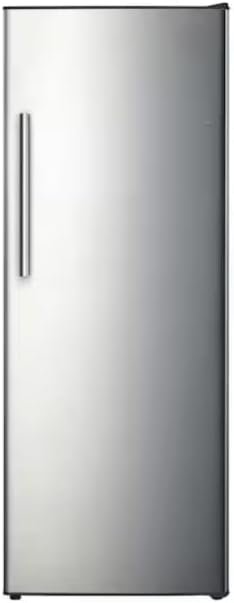
Selecting the appropriate freezer is a critical decision that impacts food preservation, space utilization, and long-term cost efficiency. Whether you’re managing a household, stocking up for emergencies, or optimizing garage storage, the right freezer balances capacity, energy use, and environmental adaptability. Modern freezers must meet diverse needs: from preserving perishables in a garage to providing extra refrigeration for entertaining. Key factors like insulation quality, cooling technology, and climate readiness determine how well a freezer performs in different settings. This review examines the 11 cu. ft. convertible freezer/refrigerator, a versatile unit designed for both home and garage use. Its ability to switch between refrigerator and freezer modes makes it ideal for households with fluctuating storage needs. Understanding its specifications, energy efficiency, and design principles helps buyers evaluate its suitability for their specific requirements. By analyzing factors such as storage capacity, temperature stability, and climate adaptability, this review provides a data-driven assessment of how this appliance fits into modern home and garage storage solutions.
Quick Overview
| Feature | Details |
|---|---|
| Freezer Type | Convertible (Freezer-on-Top) |
| Total Capacity | 11 Cubic Feet (5 cu. ft. freezer, 13.5 cu. ft. refrigerator) |
| Temperature Range | 0°F to 35°F (freezer); 33°F to 45°F (refrigerator) |
| Cooling Technology | Auto-defrost system with energy-efficient compressors |
| Energy Efficiency | Energy Star certified (450 kWh annual consumption) |
| Climate Readiness | Garage-ready design for unheated environments |
| Intended Use | Home storage, garage organization, bulk food preservation |
| Warranty Information | Not specified in product details |
The 11 cu. ft. convertible freezer/refrigerator combines flexibility with efficiency, making it suitable for households needing dual storage modes. Its Energy Star certification ensures lower energy costs, while the garage-ready design allows operation in both temperature-controlled and uncontrolled environments. The unit’s ability to switch between refrigerator and freezer functions provides adaptability for varying storage needs, from daily use to seasonal bulk purchasing.
Storage Capacity and Internal Organization
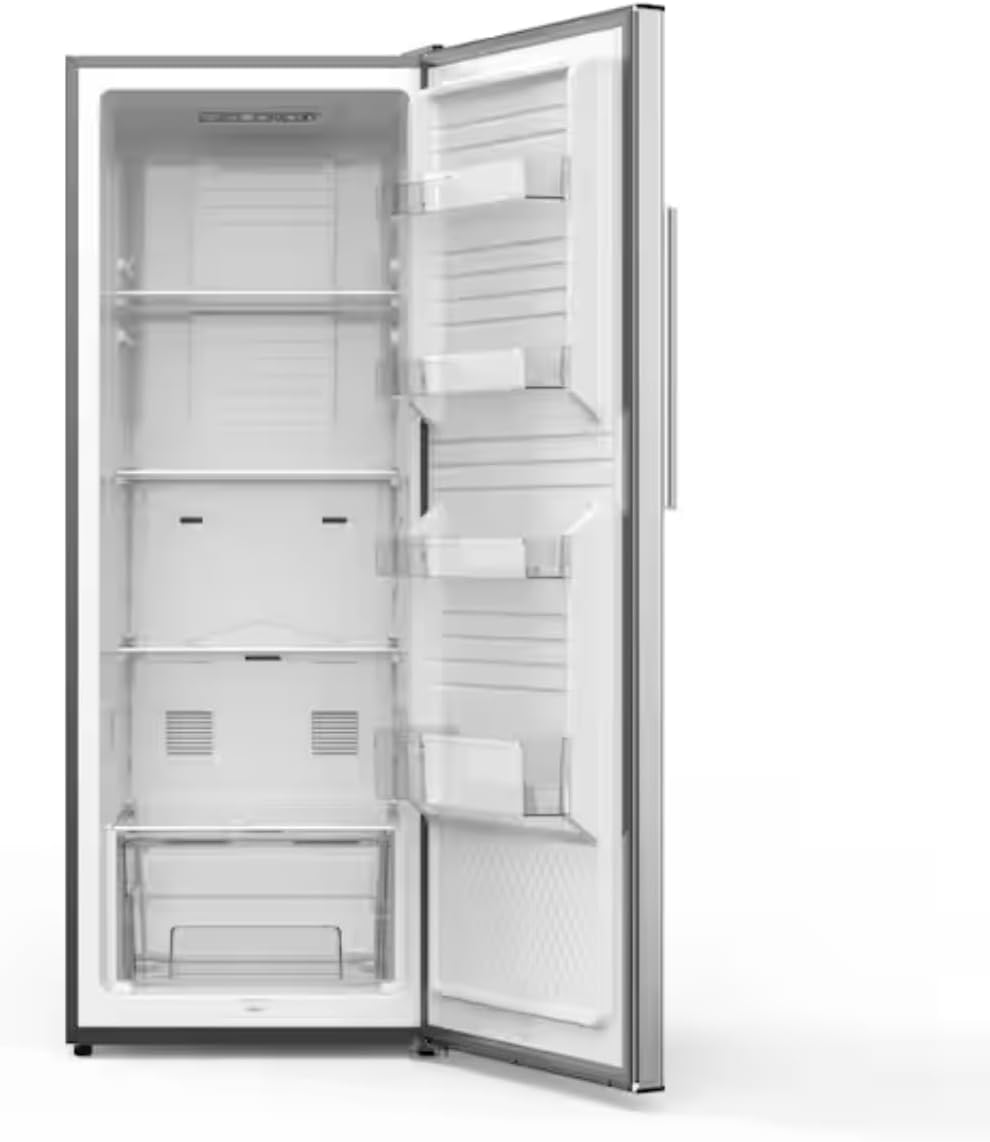
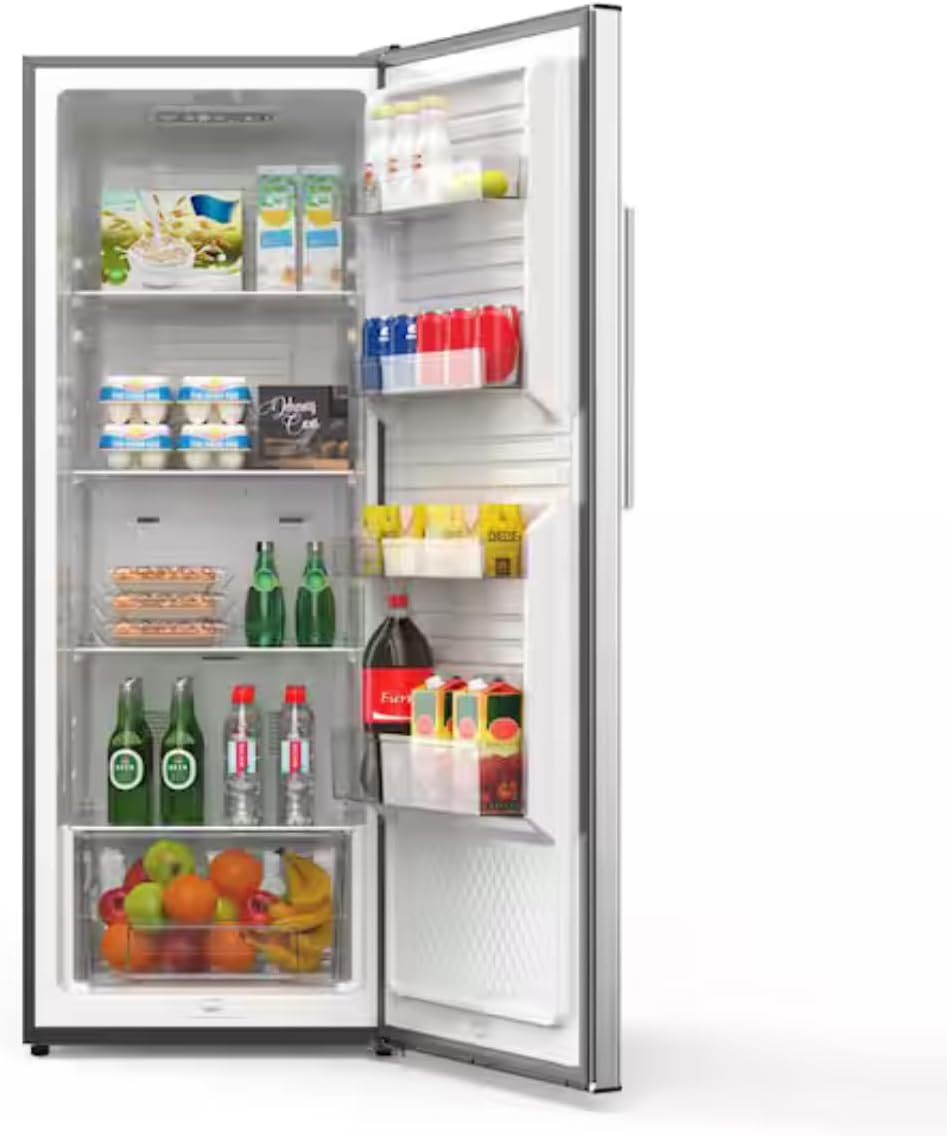
The 11 cubic feet capacity of this convertible unit is structured to maximize storage efficiency. When configured as a freezer, the 5 cu. ft. compartment provides ample space for frozen goods, while the 13.5 cu. ft. refrigerator section offers sufficient room for fresh produce, beverages, and everyday items. The internal layout includes multiple shelves, a glass shelf system, and a single crisper drawer, enabling organized storage. The inclusion of three adjustable racks and four glass shelves allows users to customize the interior for different food types. However, the absence of additional compartments like a freezer drawer or separate vegetable bins may limit flexibility for users with specific storage needs. The design prioritizes simplicity, making it ideal for those who prefer straightforward organization over specialized compartments.
Internal Layout and Shelving Options
The unit’s internal organization is designed to optimize space while maintaining accessibility. The glass shelves are durable and easy to clean, providing a clear view of stored items. The adjustable racks allow for customization based on the size and type of food being stored, accommodating both bulk items and smaller containers. The single crisper drawer is suitable for storing leafy greens and other perishables, but users requiring more specialized storage may find this limitation restrictive. The lack of a dedicated freezer drawer means that frozen items must be stored on shelves, which could affect long-term preservation if not managed properly.
Shelf and Rack Configuration
The four glass shelves and three adjustable racks create a flexible storage environment. The glass shelves are ideal for storing items that require visibility, such as beverages and condiments, while the adjustable racks can accommodate larger containers or bulk items. However, the absence of a dedicated freezer compartment for frozen foods may lead to inefficient use of space, as frozen items require more vertical clearance than fresh produce. This design choice may appeal to users who prioritize simplicity over specialized storage, but those requiring more compartmentalization may find the layout limiting.
Space Optimization for Dual Modes
When switching between refrigerator and freezer modes, the unit’s internal configuration remains largely unchanged. The freezer compartment retains its 5 cu. ft. capacity, while the refrigerator section adjusts to accommodate fresh food. The design ensures that the transition between modes does not compromise storage efficiency, but users must manually reconfigure shelves and racks to optimize each mode. This requirement for manual adjustment may be a drawback for those seeking seamless transitions between storage functions.
Energy Efficiency and Environmental Performance
The 11 cu. ft. convertible freezer/refrigerator is Energy Star certified, indicating it meets strict energy efficiency standards. Its annual energy consumption of 450 kWh is relatively low for a unit of this size, contributing to reduced electricity costs over time. The auto-defrost system minimizes energy waste by eliminating the need for manual defrosting, which can improve overall efficiency. However, the unit’s energy usage may be higher than more compact models, particularly in unheated environments where the garage-ready design may require additional power to maintain temperature stability. The Energy Star certification ensures compliance with environmental regulations, but users should consider local climate conditions when evaluating long-term energy costs.

Auto-Defrost System and Energy Use
The auto-defrost feature reduces the need for manual maintenance, which can save time and energy in the long run. By automatically removing ice buildup, the system prevents energy waste associated with manual defrosting. However, the auto-defrost cycle may consume additional electricity during its operation, potentially increasing energy use compared to units with manual defrost systems. The balance between convenience and energy efficiency is a key consideration for users prioritizing cost savings.
Climate Readiness and Temperature Stability
Designed for garage use, this unit is engineered to operate reliably in both heated and unheated environments. The insulation and compressor system are optimized to maintain consistent temperature control, even in fluctuating conditions. However, extreme temperature variations may affect performance, particularly in very cold or hot climates. The unit’s ability to maintain temperature stability in uncontrolled environments makes it suitable for garage storage but may require additional insulation or placement considerations in extreme climates.
Energy Consumption in Different Environments
In a temperature-controlled home setting, the unit’s energy consumption aligns with its Energy Star certification, ensuring efficient operation. However, in unheated garages or outdoor spaces, the unit may require more energy to maintain optimal temperatures, potentially increasing electricity costs. Users should assess their specific climate conditions and storage needs to determine whether the unit’s energy efficiency is sufficient for their intended use.
Noise Levels and Placement Considerations
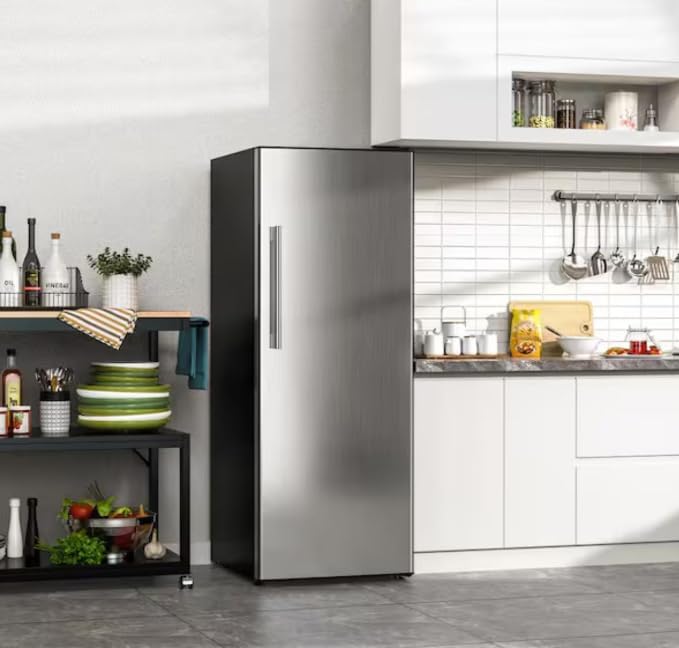
The unit’s noise level is not explicitly specified in the product details, but its design suggests it operates within standard noise ranges for similar appliances. The compressor and cooling system are likely engineered to minimize operational noise, making it suitable for placement in living areas or garages. However, the lack of specific noise level information means users should consider their environment and potential noise disturbances. The unit’s placement should avoid direct exposure to extreme temperatures, which could affect both performance and longevity. The garage-ready design allows for flexible placement, but users should ensure the unit is positioned away from heat sources or direct sunlight to maintain optimal cooling efficiency.
Operational Noise in Different Settings
In a home environment, the unit’s noise level is likely to be minimal, as most residential freezers are designed for quiet operation. However, in a garage or outdoor setting, the noise may be more noticeable, particularly during compressor cycles. Users should consider the unit’s placement to minimize disturbances, especially if it is located near living areas or workspaces.
Placement and Environmental Impact
The unit’s garage-ready design allows for placement in both heated and unheated environments, but optimal performance requires avoiding extreme temperature fluctuations. Direct exposure to sunlight or heat sources can increase energy consumption and reduce the unit’s lifespan. Users should ensure the unit is placed on a stable surface and away from potential moisture sources to prevent damage to internal components.
Durability and Long-Term Reliability
The unit’s construction includes a stainless steel exterior and metal door hinges, suggesting a durable design suitable for varying environments. The stainless steel finish is resistant to corrosion, making it ideal for garage use where exposure to moisture or temperature changes is common. However, the lack of specific warranty information in the product details means users should consider the manufacturer’s reputation and customer support options. The unit’s long-term reliability depends on proper maintenance, such as regular cleaning and ensuring the auto-defrost system functions correctly. The absence of a dedicated warranty may be a concern for users seeking long-term guarantees.

Material Quality and Construction
The stainless steel exterior and metal door hinges contribute to the unit’s durability, particularly in environments with fluctuating temperatures. The stainless steel finish is resistant to rust and stains, making it suitable for both indoor and outdoor use. However, the unit’s construction does not include additional protective features like weatherproofing or reinforced insulation, which may affect its longevity in extreme conditions.
Maintenance and Longevity
Regular maintenance, such as cleaning the interior and ensuring the auto-defrost system operates correctly, is essential for the unit’s longevity. The absence of a dedicated warranty means users should rely on the unit’s design and materials to ensure long-term reliability. The unit’s simplicity in design may reduce the risk of mechanical failures, but users should be prepared to perform routine maintenance to keep the appliance functioning optimally.
Pros & Cons
Pros
- Convertible Design: The ability to switch between refrigerator and freezer modes offers flexibility for varying storage needs, making it ideal for households or garages requiring dual functionality.
- Energy Efficiency: Energy Star certification ensures lower electricity costs, making it a cost-effective option for long-term use.
- Garage-Ready Construction: The unit is engineered to operate reliably in both heated and unheated environments, expanding its usability beyond traditional kitchen spaces.
- Spacious Capacity: The 11 cubic feet total capacity provides ample storage for both frozen and fresh food items, accommodating bulk purchases or seasonal storage.
- Auto-Defrost System: The automatic defrost feature eliminates manual maintenance, saving time and effort in upkeep.
- Durable Stainless Steel Finish: The exterior resists corrosion and stains, making it suitable for environments with temperature fluctuations or moisture exposure.
Cons
- Limited Internal Organization: The absence of specialized compartments like a freezer drawer or additional crisper drawers may restrict storage flexibility for users with specific needs.
- Higher Energy Consumption in Extreme Climates: While Energy Star certified, the unit may require more electricity in unheated garages or outdoor environments, increasing long-term costs.
- Manual Adjustment Required for Dual Modes: Switching between refrigerator and freezer functions requires manual reconfiguration of shelves and racks, which may be inconvenient for some users.
- No Warranty Information Provided: The lack of a specified warranty or customer support details may raise concerns about long-term reliability and service options.
- Noise Considerations: While likely within standard noise levels, the unit’s operational noise may be more noticeable in garage or outdoor settings, depending on placement.
Final Verdict: Who This Freezer Is Best For (and Who Should Skip It)
The 11 cu. ft. convertible freezer/refrigerator is an excellent choice for households needing dual storage functionality or users who require a garage-ready appliance for bulk food preservation. Its Energy Star certification and auto-defrost system make it a cost-effective option for long-term use, while the stainless steel finish ensures durability in varying environments. The unit’s spacious capacity is well-suited for families or individuals who frequently stock up on groceries or need extra storage for seasonal items. However, users who prioritize specialized internal organization, such as those requiring dedicated compartments for different food types, may find the unit’s design limiting. Additionally, those seeking a warranty or long-term service guarantees may need to look elsewhere. For those who value versatility and energy efficiency in a garage or home setting, this freezer offers a practical and reliable solution.
Frequently Asked Questions (FAQs)
Can this freezer function as both a refrigerator and a freezer?
Yes, the 11 cu. ft. convertible freezer/refrigerator is designed to switch between refrigerator and freezer modes. This dual functionality allows users to adapt the unit to different storage needs, such to accommodate both fresh food and frozen goods.
Is the unit suitable for use in an unheated garage?
The unit is engineered to operate reliably in both heated and unheated environments, making it suitable for garage use. Its design ensures temperature stability even in fluctuating conditions, though extreme climates may require additional insulation or placement considerations.
What is the energy consumption of this freezer?
The unit has an annual energy consumption of 450 kWh, which is within Energy Star certification standards. This efficiency helps reduce electricity costs while maintaining reliable cooling performance in both refrigerator and freezer modes.
How does the auto-defrost system work?
The auto-defrost feature automatically removes ice buildup, eliminating the need for manual defrosting. This system reduces energy waste and maintenance efforts, contributing to the unit’s overall efficiency and convenience.
What are the internal storage options for organizing food?
The unit includes four glass shelves, three adjustable racks, and a single crisper drawer. While it provides basic organization, the absence of specialized compartments like a freezer drawer may limit storage flexibility for users with specific needs.
Does the unit require any special maintenance?
Regular cleaning of the interior and ensuring the auto-defrost system functions correctly are essential for long-term performance. The unit’s design minimizes mechanical complexity, but routine maintenance helps preserve its efficiency and longevity.
Can this freezer be used in extreme temperature conditions?
While the unit is designed for garage-ready use, extreme temperature fluctuations may affect its performance. Users should avoid placing the unit near direct heat sources or in environments with extreme cold to maintain optimal cooling efficiency.
Is there a warranty or service guarantee for this unit?
The product details do not specify a warranty. Users should consider the manufacturer’s reputation and customer support options for long-term reliability. The unit’s construction and materials are designed for durability, but additional service guarantees may not be included.