
The Importance of Choosing the Right Freezer
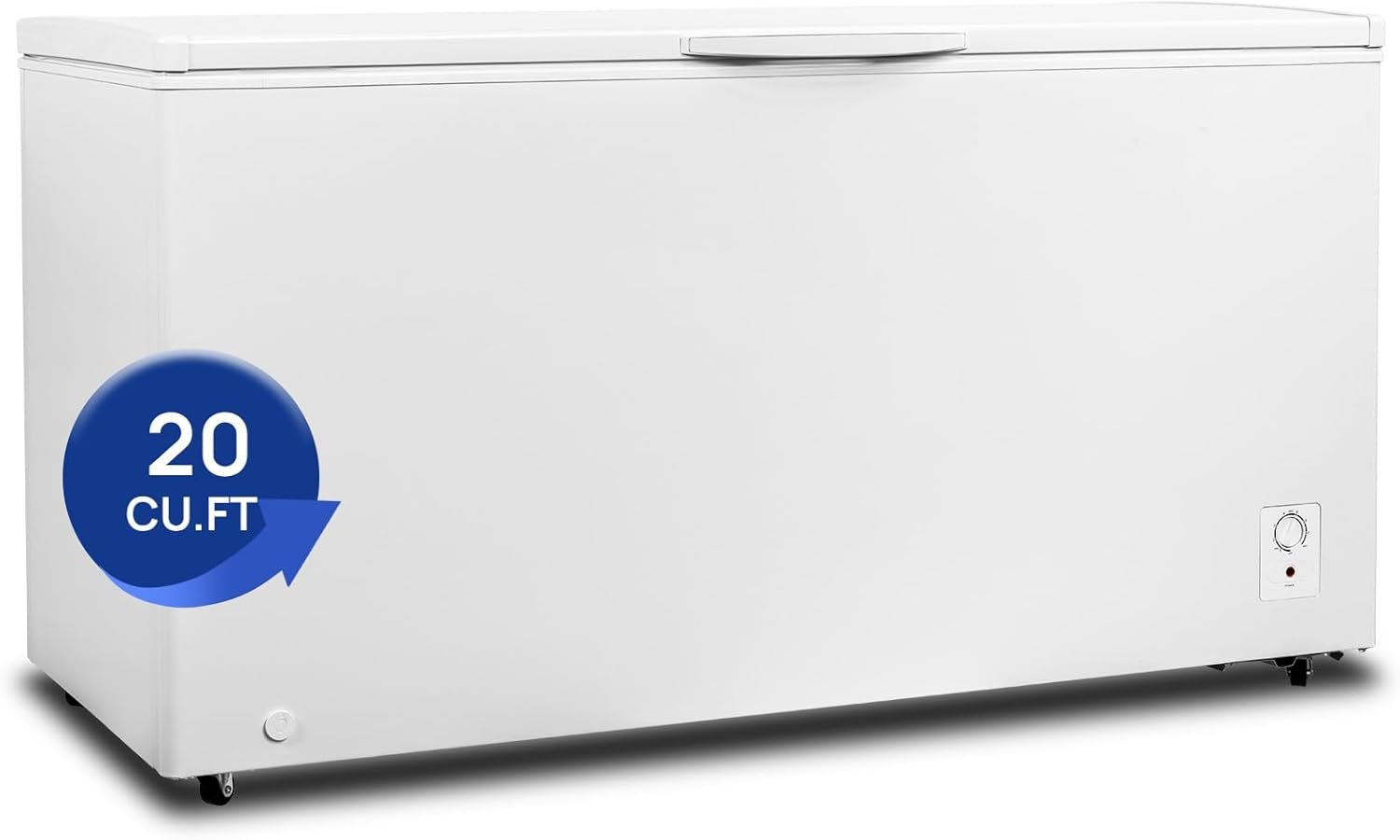
Selecting the optimal freezer is a critical decision for households, commercial operations, and outdoor enthusiasts. A freezer’s performance directly impacts food preservation, energy costs, and long-term usability. Whether you’re managing a large family’s frozen inventory, preparing meals for a commercial kitchen, or storing supplies for hunting trips, the right freezer can streamline operations and reduce waste. Modern freezers must balance capacity, efficiency, and adaptability to diverse environments, from home kitchens to garage storage spaces. This review examines a 20 cubic foot chest freezer designed for commercial and garage-ready use, focusing on how its specifications align with industry standards for storage, temperature control, and energy efficiency. By analyzing its design, technical features, and real-world usability, this evaluation provides insights for buyers seeking reliable, space-efficient storage solutions that meet 2026 market demands.
Quick Overview
| Feature | Details |
|---|---|
| Freezer Type | Chest Freezer/Deep Freezer |
| Total Capacity | 20 Cubic Feet |
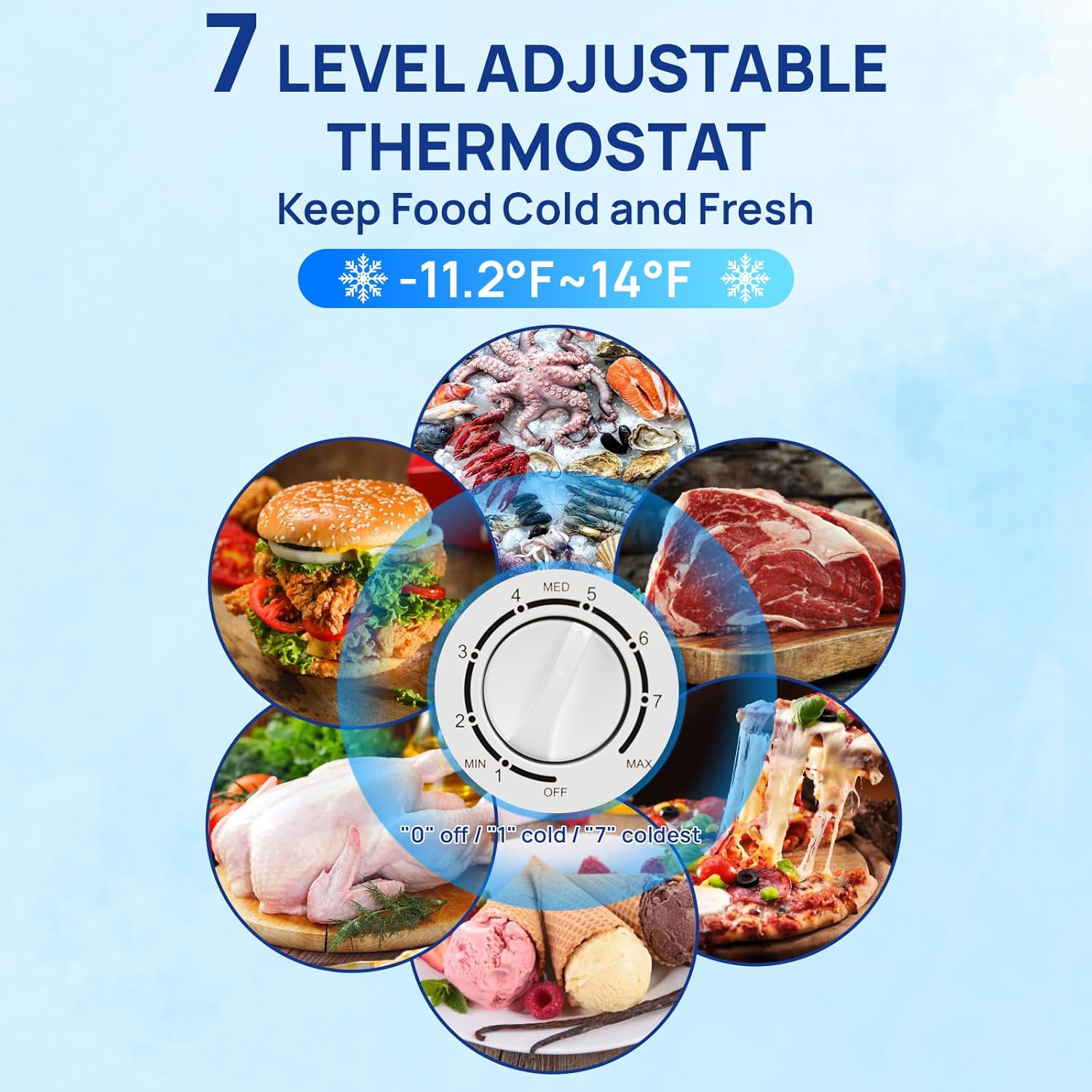
| Temperature Range | Adjustable 7-Level Control |
| Cooling Technology | R600a High-Efficiency Compressor |
| Energy Efficiency | Not Specified |
| Noise Level | ≤42dB |
| Climate Readiness | Garage-Ready PCM Door Material |
| Intended Use | Commercial, Large Family, Hunting |
| Warranty | Not Disclosed |
This 20 cu. ft. chest freezer combines robust storage capacity with user-friendly features, making it suitable for both indoor and outdoor applications. Its adjustable thermostat and easy-access defrost system simplify maintenance, while the dual-direction wheels enhance mobility. The PCM door material and insulation ensure durability in varied environments, aligning with the needs of commercial users and homeowners requiring reliable storage.

Storage Capacity and Internal Organization

Maximizing Space with 20 Cubic Feet
A 20 cubic foot capacity represents a significant storage volume, ideal for households with high frozen food consumption or commercial operations requiring bulk storage. This size accommodates large quantities of frozen meals, bulk ingredients, and seasonal supplies without overcrowding. The design of a chest freezer maximizes vertical space, allowing for efficient stacking of items, which is particularly beneficial for storing frozen vegetables, meats, and pre-prepared meals. The internal layout is optimized to reduce air pockets, which can lead to temperature fluctuations and uneven freezing. This configuration ensures that cold air circulates effectively, preserving food quality and minimizing energy use.
Removable Wire Baskets for Enhanced Accessibility
The inclusion of removable vinyl-coated wire baskets is a key feature that enhances organization and accessibility. These baskets allow users to categorize items by type, such as separating frozen fruits from ground meats, which simplifies inventory management. The wire construction facilitates easy cleaning, as food residue can be removed without excessive effort. Additionally, the baskets provide structural support for heavier items, reducing the risk of damage during storage. This design element is particularly advantageous for users who need to frequently access smaller items or who store fragile goods, as it minimizes the need to remove multiple items at once.
Accessibility for Tall or Heavy Items
While the chest design offers efficient storage, it may present challenges for users accessing tall or heavy items. The top-opening door requires users to bend down to retrieve items from the upper shelves, which could be inconvenient for those with mobility limitations. However, the freezer’s adjustable thermostat allows users to set a lower temperature for frequently accessed items, ensuring they remain at a more accessible temperature without compromising long-term preservation. For users with space constraints, the compact footprint of the freezer remains a significant advantage, as it occupies less floor space compared to upright freezers of similar capacity.
Temperature Control and Cooling Performance

Adjustable Thermostat with Seven Settings
The adjustable thermostat with seven settings provides users with precise control over the freezer’s internal environment. This feature is particularly valuable for optimizing energy efficiency and food preservation. By selecting a lower temperature setting, users can extend the shelf life of frozen items, while higher settings may be preferable for short-term storage or in warmer environments. The thermostat’s responsiveness is critical for maintaining consistent temperatures, as fluctuations can lead to partial thawing and increased energy consumption. The seven-level control allows for fine-tuning based on specific needs, such as preserving delicate items or managing seasonal temperature variations.
R600a Compressor and Cooling Efficiency
The use of an R600a high-efficiency compressor is a significant factor in the freezer’s cooling performance. R600a is a refrigerant known for its energy efficiency and environmental compatibility, making it a preferred choice for modern freezers. This compressor ensures rapid cooling and maintains a stable temperature, even during periods of high ambient heat. The efficiency of the compressor contributes to lower energy consumption, which is beneficial for both cost savings and environmental impact. However, the reliance on a specific refrigerant may affect long-term maintenance, as replacement parts could become less readily available over time. The overall cooling efficiency of the freezer is further enhanced by its insulation materials, which help retain cold air and reduce the workload on the compressor.
Temperature Stability in Varied Environments
The freezer’s ability to maintain temperature stability is crucial for preserving food quality, especially in environments with fluctuating temperatures. The PCM (Polymer Composite Material) door construction provides additional insulation, helping to prevent heat transfer from the external environment. This is particularly important for garage-ready freezers, as garages can experience significant temperature variations depending on the season. The combination of the R600a compressor and PCM insulation ensures that the freezer can maintain a consistent internal temperature, even when exposed to external heat sources. This stability is essential for preventing partial thawing and ensuring that frozen items remain at their optimal storage conditions.
Noise Levels and Placement Considerations
Quiet Operation for Residential and Commercial Use
The freezer’s operation is designed to be quiet, with a noise level of ≤42dB. This is a critical consideration for users who require a freezer to operate in residential or commercial settings where noise can be a concern. The low noise level ensures that the freezer can be placed in areas such as basements, garages, or near living spaces without causing disturbances. The R600a compressor contributes to this quiet operation by minimizing vibration and noise output. However, the noise level may still be noticeable in environments with high ambient noise, such as industrial areas or near busy roads. Users should consider the placement of the freezer to ensure it operates within acceptable noise thresholds.
Placement Requirements for Optimal Performance
The freezer’s design includes dual-direction wheels, which enhance mobility and make it easier to move the unit between storage locations. This feature is particularly useful for users who need to relocate the freezer seasonally or adjust its position for better access. However, the freezer’s weight of 125.4 pounds means that it requires a stable, level surface to prevent tipping, especially when moving. The placement of the freezer should also consider proximity to a power source, as it requires a 110V AC connection. For garage use, the freezer’s insulation and PCM door material help it withstand temperature fluctuations, but users should ensure that the unit is protected from direct sunlight and extreme weather conditions.
Impact of Noise on Energy Efficiency
While the freezer’s noise level is a key factor in user experience, it also has implications for energy efficiency. A quieter freezer often indicates a more efficient compressor and better insulation, which can reduce energy consumption. However, the trade-off between noise reduction and energy efficiency may vary depending on the design and components used. The R600a compressor and PCM insulation contribute to both quiet operation and energy efficiency, but users should be aware that the freezer’s performance may be affected by external factors such as ambient temperature and humidity. Proper placement and maintenance can help ensure that the freezer operates at its optimal efficiency.
Energy Efficiency and Power Requirements

Power Consumption and Operational Costs
The freezer’s energy efficiency is a critical factor for users looking to minimize operational costs. While the product specifications do not provide a specific energy efficiency rating, the use of an R600a compressor and PCM insulation suggests that the unit is designed for energy-efficient operation. The R600a refrigerant is known for its high efficiency, which helps reduce the workload on the compressor and lower energy consumption. However, the exact energy usage can vary based on the freezer’s usage patterns, such as how frequently the door is opened and the ambient temperature. Users should consider the freezer’s energy consumption in relation to their household or commercial electricity costs to determine its long-term viability.
Compatibility with Standard Power Sources
The freezer requires a 110V AC power source, which is standard for most residential and commercial settings in the United States. This compatibility ensures that the unit can be easily integrated into existing electrical infrastructure without requiring special wiring or modifications. However, users in areas with limited access to standard power sources may need to consider alternative solutions, such as battery-powered freezers or generator use. The 110V requirement also means that the freezer is not suitable for environments where power outages are frequent or where alternative energy sources are the primary power supply.
Energy Efficiency in Varied Environments
The freezer’s energy efficiency is further influenced by its ability to maintain a stable internal temperature, which reduces the need for frequent compressor activation. The PCM door material and insulation help retain cold air, minimizing the energy required to maintain the desired temperature. However, the freezer’s efficiency may be compromised in environments with extreme temperature fluctuations, as the compressor may need to work harder to maintain stability. Users in regions with high ambient temperatures or frequent power outages should consider the freezer’s energy efficiency in conjunction with its placement and maintenance requirements.
Durability and Long-Term Reliability

Build Quality and Material Selection
The freezer’s durability is largely determined by its construction materials and design. The PCM door material provides a balance between insulation and structural integrity, making it suitable for both indoor and outdoor environments. The vinyl-coated wire baskets are resistant to corrosion and wear, ensuring long-term usability even with frequent handling. The overall build quality is reinforced by the unit’s weight of 125.4 pounds, which suggests a robust frame capable of withstanding regular use. However, the lack of a specified warranty or durability guarantee means that users should consider the long-term reliability based on the product’s design and materials rather than explicit manufacturer assurances.
Maintenance Requirements and Lifespan
The freezer’s maintenance requirements are relatively low, thanks to features such, as the easy-access defrost drain and removable wire baskets. These design elements reduce the need for extensive cleaning and make routine maintenance more manageable. However, the freezer’s lifespan will depend on how well it is maintained and the environmental conditions in which it is used. Regular cleaning of the interior and exterior surfaces can help prevent the buildup of ice and debris, which can affect the freezer’s efficiency over time. Users should also be mindful of the freezer’s placement to avoid exposure to excessive heat or moisture, which can compromise its performance.
Environmental Factors and Long-Term Performance
The freezer’s ability to perform in varied environments is a key consideration for users requiring garage-ready or commercial use. The PCM door material and insulation help the freezer withstand temperature fluctuations, but prolonged exposure to extreme conditions may affect its longevity. Users in regions with high humidity or frequent temperature changes should monitor the freezer’s performance and take steps to protect it from environmental stressors. The freezer’s design also includes a 45~90-degree hinged door, which allows for easier access and reduces the risk of damage to the door mechanism over time.
Pros & Cons
Pros
- Large Storage Capacity: The 20 cubic foot capacity is ideal for households with high frozen food consumption or commercial operations requiring bulk storage.
- Adjustable Thermostat: Seven-level temperature control allows users to fine-tune the freezer’s environment for optimal food preservation.
- Easy Maintenance: The easy-access defrost drain and removable wire baskets simplify cleaning and organization, reducing the need for frequent maintenance.
- Quiet Operation: The ≤42dB noise level ensures minimal disruption in residential or commercial settings.
- Mobility Features: Dual-direction wheels make it easier to move the freezer between storage locations without requiring additional tools.
- Garage-Ready Design: The PCM door material and insulation make it suitable for use in garages or outdoor environments with temperature fluctuations.
- Energy Efficiency: The R600a compressor contributes to lower energy consumption, making it a cost-effective option for long-term use.
Cons
- Limited Accessibility for Tall Items: The top-opening door requires users to bend down to access upper shelves, which may be inconvenient for those with mobility limitations.
- Weight Consideration: The 125.4-pound weight means the unit requires a stable, level surface to prevent tipping, especially during movement.
- No Warranty Information: The absence of a specified warranty or durability guarantee may raise concerns about long-term reliability.
- Energy Consumption in Extreme Conditions: While the freezer is energy-efficient under normal conditions, its performance may be affected in environments with extreme temperature fluctuations or frequent power outages.
- Placement Requirements: The need for a 110V AC power source may limit its usability in areas with limited access to standard electrical infrastructure.
Final Verdict: Who This Freezer Is Best For (and Who Should Skip It)
This 20 cubic foot chest freezer is best suited for users who require a large storage capacity for frozen food, commercial operations, or outdoor activities such as hunting. Its adjustable thermostat, easy maintenance features, and garage-ready design make it an excellent choice for households with high frozen food consumption or those who need reliable storage in variable environments. The quiet operation and mobility features further enhance its usability in residential and commercial settings. However, users with mobility limitations may find the top-opening door inconvenient, and those in areas with extreme temperature fluctuations or limited access to 110V power may need to consider alternative options. Overall, this freezer offers a balanced combination of capacity, efficiency, and durability, making it a strong contender for its target audience.
Frequently Asked Questions (FAQs)
What is the storage capacity of the 20 cu. ft. chest freezer?
The freezer provides 20 cubic feet of storage space, ideal for large families, commercial use, or those who need to store bulk frozen items. This capacity allows for efficient organization and long-term food preservation.
How does the adjustable thermostat work?
The seven-level thermostat allows users to set the freezer’s temperature based on their specific needs, ensuring optimal cooling and energy efficiency for different storage requirements.
Is the freezer suitable for garage use?
Yes, the freezer is designed for garage-ready use with PCM door material and insulation that help maintain stable temperatures despite environmental fluctuations.
What is the noise level of the freezer?
The freezer operates at ≤42dB, ensuring quiet performance suitable for residential and commercial environments without causing disturbances.
Can the freezer be moved easily?
The dual-direction wheels make it easy to move the freezer between storage locations, though its 125.4-pound weight requires careful handling to maintain stability.
How does the defrost system work?
The easy-access exterior defrost drain simplifies maintenance, allowing users to remove ice buildup without excessive effort, ensuring long-term efficiency.
What type of refrigerant is used?
The R600a high-efficiency compressor is used, which contributes to lower energy consumption and environmental compatibility while maintaining stable cooling performance.
Is the freezer energy-efficient?
The freezer’s energy efficiency is supported by its R600a compressor and insulation, though exact energy usage depends on ambient conditions and usage patterns.