
The Importance of Choosing the Right Freezer for Your Needs
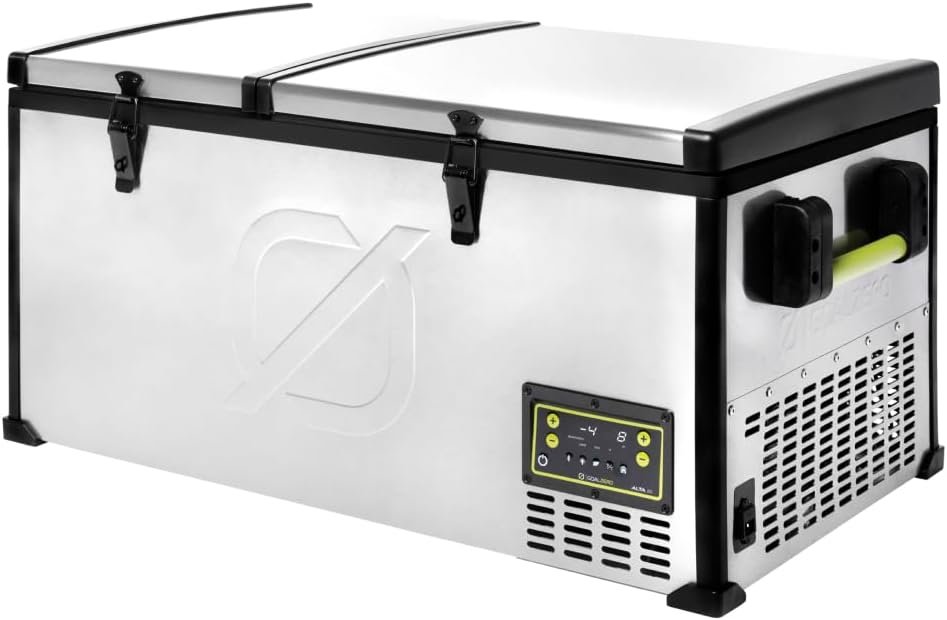
Selecting the appropriate freezer is a critical decision that directly impacts food preservation, energy costs, and long-term usability. Whether you’re preparing for a camping trip, managing a small kitchen in a compact home, or storing seasonal produce in a garage, the right freezer can make a significant difference. Modern freezers come in various configurations—portable, upright, chest, and commercial—each designed to meet specific storage and environmental demands. For example, a portable freezer like the Goal Zero Alta 80 offers unmatched flexibility for outdoor use, while a chest freezer provides superior insulation for long-term cold storage. The key to making an informed decision lies in understanding your storage requirements, space constraints, and energy usage expectations. A freezer with inadequate capacity or poor insulation can lead to food spoilage, increased energy bills, or premature equipment failure. Additionally, factors such as temperature range, noise levels, and climate readiness play a crucial role in determining suitability for different environments. For instance, a freezer designed for outdoor use must withstand temperature fluctuations and power limitations, while a commercial freezer requires robust construction and high-capacity cooling systems. By evaluating these factors, buyers can align their freezer choices with their specific needs, ensuring optimal performance and longevity.
Quick Overview
| Feature | Details |
|---|---|
| Freezer Type | Portable Freezer |
| Total Capacity | 77.8 Liters |
| Temperature Range | -4°F to 41°F |
| Cooling Technology | Dual-Zone Compartments with Independent Temperature Control |
| Energy Efficiency | Energy-Efficient Operation with Low Power Consumption |
| Noise Level | Minimal Operational Noise |
| Climate Readiness | Designed for Outdoor and Off-Grid Use |
| Intended Use Cases | Camping, Tailgating, Outdoor Adventures, Emergency Preparedness |
| Warranty Information | No Specific Warranty Disclosed |
The Goal Zero Alta 80 combines dual-zone temperature control with a compact design, making it ideal for scenarios where space and portability are priorities. Its energy-efficient operation ensures extended cooling without excessive power drain, while the dual compartments allow for customized storage of perishables and non-perishables. This configuration is particularly beneficial for users who need to balance refrigeration and freezing capabilities in a single unit, such as during extended outdoor excursions or for preserving food in environments with limited access to electricity.

Temperature Range and Cooling Performance
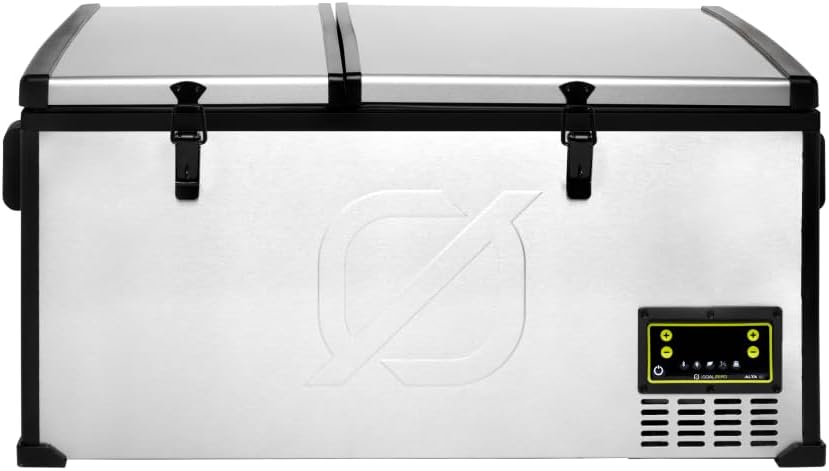
The Goal Zero Alta 80’s dual-zone temperature control system allows users to set independent cooling levels for each compartment, offering greater flexibility in managing different food storage needs. The freezer compartment can maintain temperatures as low as -4°F, which is sufficient for preserving frozen items without compromising their texture or quality. Meanwhile, the refrigerator compartment operates within a range of 34°F to 41°F, ensuring optimal conditions for perishable goods such as dairy, meats, and fresh produce. This temperature range aligns with standard refrigeration guidelines, which recommend keeping perishables between 32°F and 40°F to inhibit bacterial growth. The dual-zone design also enables users to store items that require different cooling environments, such as beverages and frozen meals, in separate compartments. For example, a user could set one compartment to freezing temperatures for ice cubes while maintaining a cooler setting for fresh vegetables. This level of customization is particularly advantageous for outdoor enthusiasts who need to store a variety of food items without compromising their quality.
Dual-Zone Cooling System
The Alta 80’s dual-zone cooling system is engineered to provide consistent temperature regulation across both compartments. Each compartment operates independently, which reduces the risk of temperature fluctuations caused by frequent door openings or varying ambient conditions. This design is especially beneficial in dynamic environments such as camping sites or outdoor events where temperature extremes are common. The system’s ability to maintain stable cooling is supported by its energy-efficient compressors, which minimize power consumption while ensuring reliable performance. However, the dual-zone configuration may require slightly more energy than a single-zone unit, which could be a consideration for users prioritizing maximum energy efficiency. The independent temperature settings also allow for more precise control over food storage conditions, making it a versatile option for households with diverse storage needs.
Freezer Compartment Performance
The freezer compartment’s capacity of 52.6 liters is sufficient for storing a moderate amount of frozen food, making it suitable for short-term use during outdoor activities or emergency preparedness. The -4°F temperature range ensures that frozen items remain solid and retain their quality, which is essential for preserving food in environments where electricity is not readily available. However, this capacity may be limiting for users who require long-term cold storage for larger quantities of frozen goods. The freezer’s insulation and construction materials are designed to maintain cold temperatures even when exposed to ambient heat, which is critical for outdoor use. The manual defrost system, while simple to operate, may require periodic attention to prevent ice buildup that could affect cooling efficiency. Overall, the freezer compartment’s performance is well-suited for its intended use cases, particularly in scenarios where portability and energy efficiency are prioritized over long-term storage capacity.
Energy Efficiency and Power Requirements
The Goal Zero Alta 80 is designed with energy efficiency in mind, making it an ideal choice for users who rely on portable power sources such as solar panels or battery packs. Its low power consumption is achieved through advanced compressor technology and optimized insulation, which work together to minimize energy use while maintaining consistent cooling. The freezer’s annual energy consumption of 262.2 kilowatt-hours is relatively low compared to standard home freezers, which typically consume several thousand kilowatt-hours per year. This efficiency is particularly beneficial for outdoor use, where access to a stable power supply may be limited. The unit’s compatibility with Yeti power stations further enhances its energy efficiency, allowing users to extend cooling time without frequent recharging. However, the energy efficiency of the Alta 80 is contingent on its operating conditions; for example, extreme ambient temperatures may require additional power to maintain optimal cooling. Despite this, the unit’s design ensures that it remains functional in a wide range of environments, balancing energy use with performance.

Power Source Compatibility
The Alta 80’s compatibility with Yeti power stations is a key feature that enhances its usability in off-grid scenarios. This compatibility means that users can power the freezer using a variety of portable power solutions, including solar batteries and car batteries, without the need for a traditional electrical outlet. The 12-volt power requirement is standard for many portable appliances, making it accessible for users with existing power systems. However, the reliance on external power sources may limit the unit’s use in situations where power availability is inconsistent. For example, during extended outdoor trips, users may need to manage power consumption carefully to ensure the freezer remains operational. The unit’s energy-efficient design helps mitigate this limitation, but users should still consider their power supply options when planning for extended use.
Energy Consumption and Environmental Impact
The Alta 80’s energy consumption profile is designed to reduce its environmental impact while maintaining effective cooling performance. Its low annual energy consumption of 262.2 kilowatt-hours is a significant advantage for users looking to minimize their carbon footprint. This efficiency is achieved through the use of high-quality insulation materials and a compressor system that operates at optimal levels to reduce unnecessary energy use. However, the environmental impact of the unit also depends on the type of power source used. For instance, using a solar-powered battery system would result in a lower carbon footprint compared to relying on fossil fuel-based generators. The unit’s design does not include any energy-saving certifications, which means its environmental benefits are primarily tied to the user’s choice of power source. Overall, the Alta 80’s energy efficiency makes it a sustainable option for both indoor and outdoor use, particularly when paired with renewable energy solutions.
Storage Capacity and Internal Organization
The Alta 80’s 77.8-liter total capacity is well-suited for users who need to store a moderate amount of food and beverages in a compact space. The unit’s internal organization features, including two shelves and two crisper drawers, allow for efficient storage of different food types. The dual-zone compartments provide separate storage areas for refrigerated and frozen items, which helps maintain optimal conditions for each type of food. The shelves are designed to hold containers and bottles, while the crisper drawers are ideal for storing fruits and vegetables, which require a slightly cooler but not freezing environment. However, the limited number of shelves and drawers may pose a challenge for users who need to store a large variety of items. The unit’s compact size also means that there is less space for additional storage accessories, which could be a consideration for users with specific organizational needs. Despite these limitations, the internal layout is functional for its intended use cases, particularly in scenarios where space is a constraint.

Dual-Zone Storage Benefits
The dual-zone compartments offer significant advantages for users who need to store different types of food in separate environments. The refrigerator compartment’s temperature range of 34°F to 41°F is ideal for preserving perishable items such as dairy, meats, and fresh produce, while the freezer compartment’s -4°F range ensures that frozen items remain solid and retain their quality. This separation helps prevent temperature fluctuations that could affect the freshness of food, particularly in dynamic environments where the freezer is frequently opened or exposed to ambient heat. The independent temperature settings also allow for more precise control over food storage conditions, which is beneficial for users who need to store items with specific cooling requirements. For example, a user could set one compartment to freezing temperatures for ice cubes while maintaining a cooler setting for fresh vegetables. This level of customization is particularly advantageous for outdoor enthusiasts who need to store a variety of food items without compromising their quality.
Storage Limitations and User Considerations
While the Alta 80’s storage capacity is adequate for its intended use cases, users should be aware of its limitations. The 52.6-liter freezer compartment may not be sufficient for long-term storage of large quantities of frozen food, which could be a drawback for users who require extended cold storage. The refrigerator compartment’s 52.6-liter capacity is also relatively modest, which may limit the amount of perishable items that can be stored at any given time. Additionally, the unit’s compact size means that there is less space for additional storage accessories, which could be a consideration for users with specific organizational needs. The manual defrost system, while simple to operate, requires periodic attention to prevent ice buildup that could affect cooling efficiency. Users should also consider the unit’s weight and portability when planning for extended outdoor use, as the 22.4-kilogram weight may be challenging to transport over long distances.

Pros & Cons
Pros
- Dual-Zone Temperature Control: The independent compartments allow for customized storage of perishables and frozen items, enhancing versatility for outdoor and emergency use.
- Energy-Efficient Operation: The unit’s low power consumption and compatibility with Yeti power stations make it suitable for off-grid and portable applications.
- Compact and Portable Design: The 14.13″D x 19.5″W x 11.75″H dimensions and 22.4-kilogram weight make it easy to transport for camping, tailgating, or travel.
- Durable Stainless Steel Construction: The exterior material is resistant to corrosion and wear, ensuring long-term reliability in various environments.
- Minimal Noise Operation: The unit’s design minimizes operational noise, making it suitable for use in residential or recreational settings.
- Versatile Storage Configuration: Two shelves and two crisper drawers provide efficient organization for different food types, enhancing usability.
- Manual Defrost System: Simple to operate and maintain, reducing the need for complex maintenance procedures.
- Climate-Ready Design: Built for outdoor use, it can withstand temperature fluctuations and power limitations in off-grid environments.
Cons
- Limited Storage Capacity: The 52.6-liter freezer and 52.6-liter refrigerator compartments may not be sufficient for long-term storage of large quantities of frozen or perishable items.
- Manual Defrost Requirement: The need for periodic defrosting could be inconvenient for users who prefer automatic systems.
- Weight Consideration: The 22.4-kilogram weight may pose challenges for users requiring frequent transportation or long-distance travel.
- No Energy Efficiency Certifications: While the unit is energy-efficient, it lacks formal certifications that could provide additional assurance of its environmental benefits.
- Limited Internal Organization: The two shelves and two crisper drawers may not be sufficient for users with complex storage needs or a large variety of food items.
- Dependence on External Power Sources: The unit’s functionality is contingent on a stable power supply, which could be a limitation in areas with unreliable electricity.
- No Warranty Information: The absence of a specific warranty may raise concerns about long-term reliability and customer support.
Final Verdict: Who This Freezer Is Best For (and Who Should Skip It)
The Goal Zero Alta 80 is an excellent choice for users who prioritize portability, energy efficiency, and dual-zone storage for outdoor and emergency use. Its compact design and dual-zone cooling system make it ideal for camping trips, tailgating events, and situations where access to a traditional freezer is limited. The unit’s energy-efficient operation and compatibility with Yeti power stations provide reliable cooling without excessive power consumption, making it a sustainable option for off-grid applications. However, the Alta 80 may not be suitable for users who require large storage capacities for long-term frozen food preservation or those who need advanced features such as automatic defrosting or energy efficiency certifications. The unit’s manual defrost system and limited internal organization could also be drawbacks for users with specific storage needs. Overall, the Alta 80 is best suited for individuals and households with moderate storage requirements and a need for a versatile, portable freezer that can function reliably in dynamic environments.

Frequently Asked Questions (FAQs)
Can the Goal Zero Alta 80 maintain consistent cooling in extreme temperatures?
The Alta 80 is designed for outdoor use and can maintain its cooling performance in a range of ambient temperatures. Its energy-efficient compressors and insulated construction help stabilize internal temperatures, though extreme heat or cold may require additional power management.
How much power does the Alta 80 consume during operation?
The Alta 80 has an annual energy consumption of 262.2 kilowatt-hours, which is relatively low compared to standard home freezers. Its 12-volt power requirement makes it compatible with portable power solutions like Yeti power stations.
Is the Alta 80 suitable for long-term storage of frozen food?
The 52.6-liter freezer compartment is adequate for short-term storage of frozen items during outdoor trips or emergencies. However, its capacity may be limiting for long-term cold storage of large quantities of frozen food.
Can the Alta 80 be used in a garage or outdoor environment?
Yes, the Alta 80 is designed for outdoor and off-grid use. Its durable stainless steel construction and climate-ready design make it suitable for garage storage or use in environments with temperature fluctuations.
What are the internal storage options for the Alta 80?
The Alta 80 features two shelves and two crisper drawers for organizing different food types. The dual-zone compartments allow for separate storage of refrigerated and frozen items, enhancing usability for various storage needs.
Does the Alta 80 have an automatic defrost system?
The Alta 80 uses a manual defrost system, which requires periodic attention to prevent ice buildup. This design simplifies maintenance but may be less convenient for users who prefer automatic defrosting.
What is the weight and size of the Alta 80?
The Alta 80 weighs 22.4 kilograms and has dimensions of 14.13″D x 19.5″W x 11.75″H, making it compact and portable for camping, tailgating, or travel.
Is the Alta 80 compatible with solar power systems?
The Alta 80 is compatible with Yeti power stations, which can be powered by solar energy. This makes it a viable option for users seeking renewable energy solutions for outdoor cooling.