Antarctic Star Compact Mini Fridge Review: 10L Portable Cooler for Home, Office, and Travel

The Importance of Choosing the Right Freezer
Selecting the appropriate freezer is crucial for maintaining food safety, optimizing storage space, and aligning with specific household or professional needs. In 2026, the demand for compact, energy-efficient, and versatile freezers has surged, driven by urban living constraints, remote work trends, and the need for portable cooling solutions. Whether for preserving medications in a bedroom, keeping beverages chilled during travel, or storing skincare products in an office, the right freezer can significantly enhance convenience and efficiency. Key factors such as storage capacity, cooling performance, energy consumption, and noise levels directly impact user satisfaction. This review evaluates the Antarctic Star Compact Mini Fridge, a 10L portable cooler designed for small spaces and multifunctional use. By analyzing its technical specifications, customer feedback, and industry standards, we provide an objective assessment of its suitability for various scenarios. The goal is to help buyers make informed decisions based on measurable data rather than subjective preferences or marketing claims. This analysis focuses on the product’s ability to meet storage needs, maintain consistent cooling, and integrate seamlessly into different environments without compromising on performance or efficiency.
Quick Overview
| Feature | Details |
|---|---|
| Freezer Type | Compact, Freestanding, Freezerless |
| Total Capacity | 10 Liters (2.6 Gallons) |
| Cooling Technology | Thermoelectric (Peltier) |
| Energy Efficiency | 100 kWh Annual Consumption, ETL Certified |
| Noise Level | 38 dB (Quiet Operation) |
| Intended Use | Bedroom, Office, Dorm, Travel, Boating |
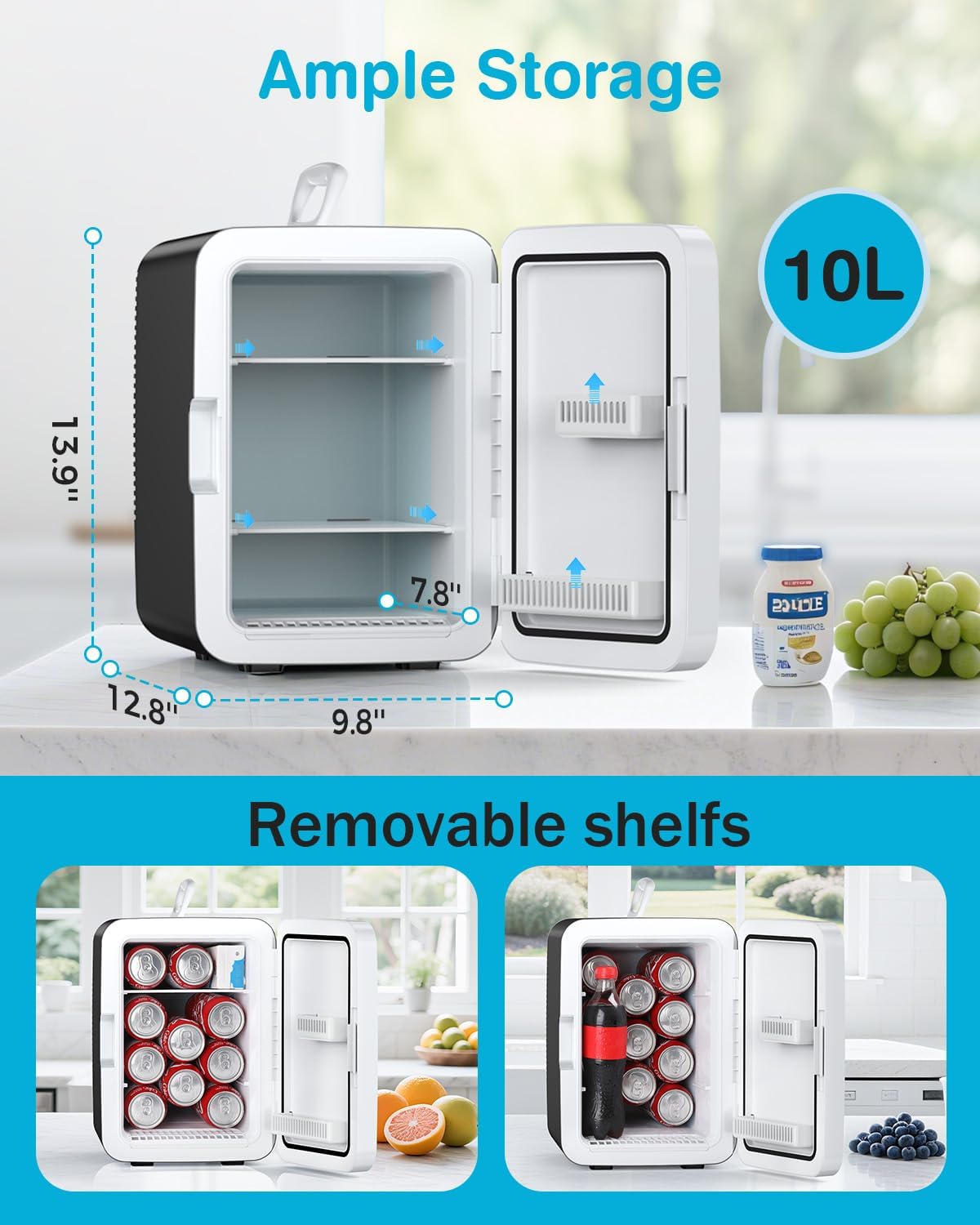
| Dimensions | 12.8″D x 9.8″W x 13.9″H |
| Weight | 8.38 lbs (Lightweight) |
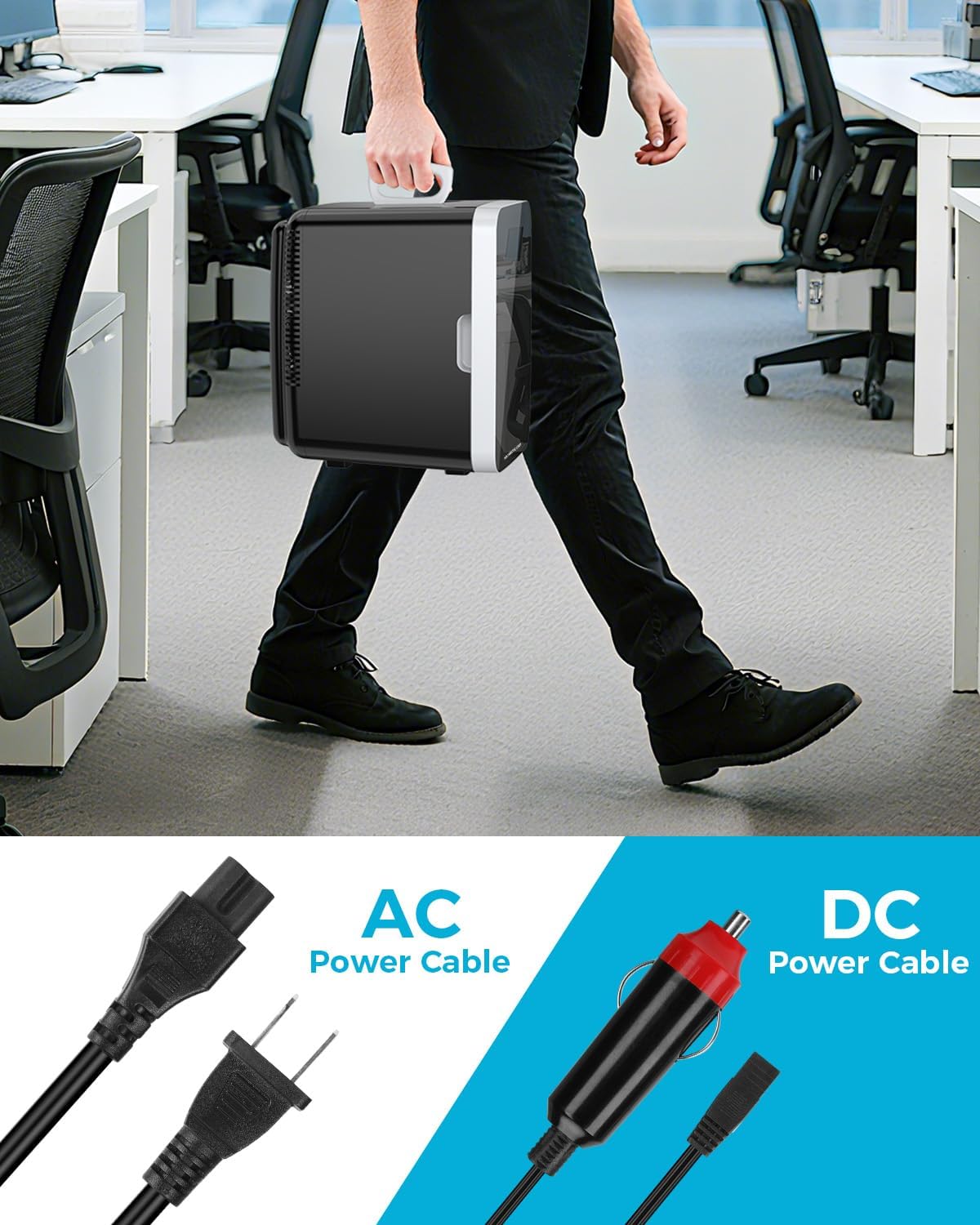
| Power Options | AC (110V) and DC (12V) Adapters |
| Defrost System | Manual |
| Shelf Configuration | 2 Plastic Shelves, 1 Removable Shelf |
The Antarctic Star Compact Mini Fridge combines portability with functional design, making it ideal for spaces where traditional freezers are impractical. Its thermoelectric cooling system ensures rapid temperature reduction while maintaining energy efficiency. The quiet operation and lightweight build enhance usability in living areas, offices, or travel scenarios. The compact size and manual defrost system reflect a balance between cost-effectiveness and user control, though these features also define its limitations in terms of long-term reliability and storage flexibility.
Cooling Efficiency and Temperature Stability
Thermoelectric Cooling Performance
The Antarctic Star Compact Mini Fridge employs thermoelectric (Peltier) cooling technology, which utilizes semiconductor materials to transfer heat from the interior to the exterior. This method provides rapid cooling, reducing temperatures from 86°F (30°C) to 40°F (4°C) within three hours. While thermoelectric systems are efficient for short-term use, they generally have lower cooling capacity compared to compressor-based freezers. The 10L capacity is sufficient for small quantities of food, beverages, or skincare products, but may struggle with larger volumes or extended cooling periods. The manufacturer specifies a cooling range of 32°F (18°C) below ambient temperature, which is adequate for maintaining chilled items in moderate environments.
Temperature Stability and Environmental Factors
Temperature stability in a compact mini fridge depends on factors such as ambient temperature, airflow, and insulation quality. The Arctic Star model’s design includes a sealed interior and plastic shelves, which help retain cold air but may limit flexibility in organizing items. The 38 dB noise level ensures minimal disruption, making it suitable for bedrooms or offices. However, the lack of a compressor means it cannot maintain consistent low temperatures in high-heat environments, such as direct sunlight or poorly ventilated spaces. For optimal performance, the fridge should be placed in a location with at least 3 inches of clearance on all sides to allow proper airflow and heat dissipation.
Cooling Speed and Load Capacity
The cooling speed of 10L mini freezers is influenced by the initial temperature of the contents and the ambient conditions. The Antarctic Star model cools from 86°F to 50°F (10°C) in two hours, which is faster than many similar products. However, this rate decreases when the fridge is fully loaded, as the thermal mass of additional items slows down the cooling process. The 10L capacity is well-suited for single users or small households, but may not be ideal for storing bulk items like frozen meals or large quantities of beverages. Users should consider the cooling time required for their specific use case, especially if they need to maintain low temperatures for extended periods.
Energy Efficiency and Power Requirements

Annual Energy Consumption and Efficiency Rating
The Antarctic Star Compact Mini Fridge has an annual energy consumption of 100 kWh, which is relatively low for a 10L portable unit. This efficiency is attributed to its thermoelectric cooling system, which uses less power than traditional compressor-based freezers. The ETL certification confirms compliance with safety and energy efficiency standards, making it suitable for environments where power consumption is a concern. However, the energy efficiency of thermoelectric units is generally lower than that of compressors, especially when maintaining temperatures below 40°F (4°C) for prolonged periods.
Power Supply Flexibility and Portability
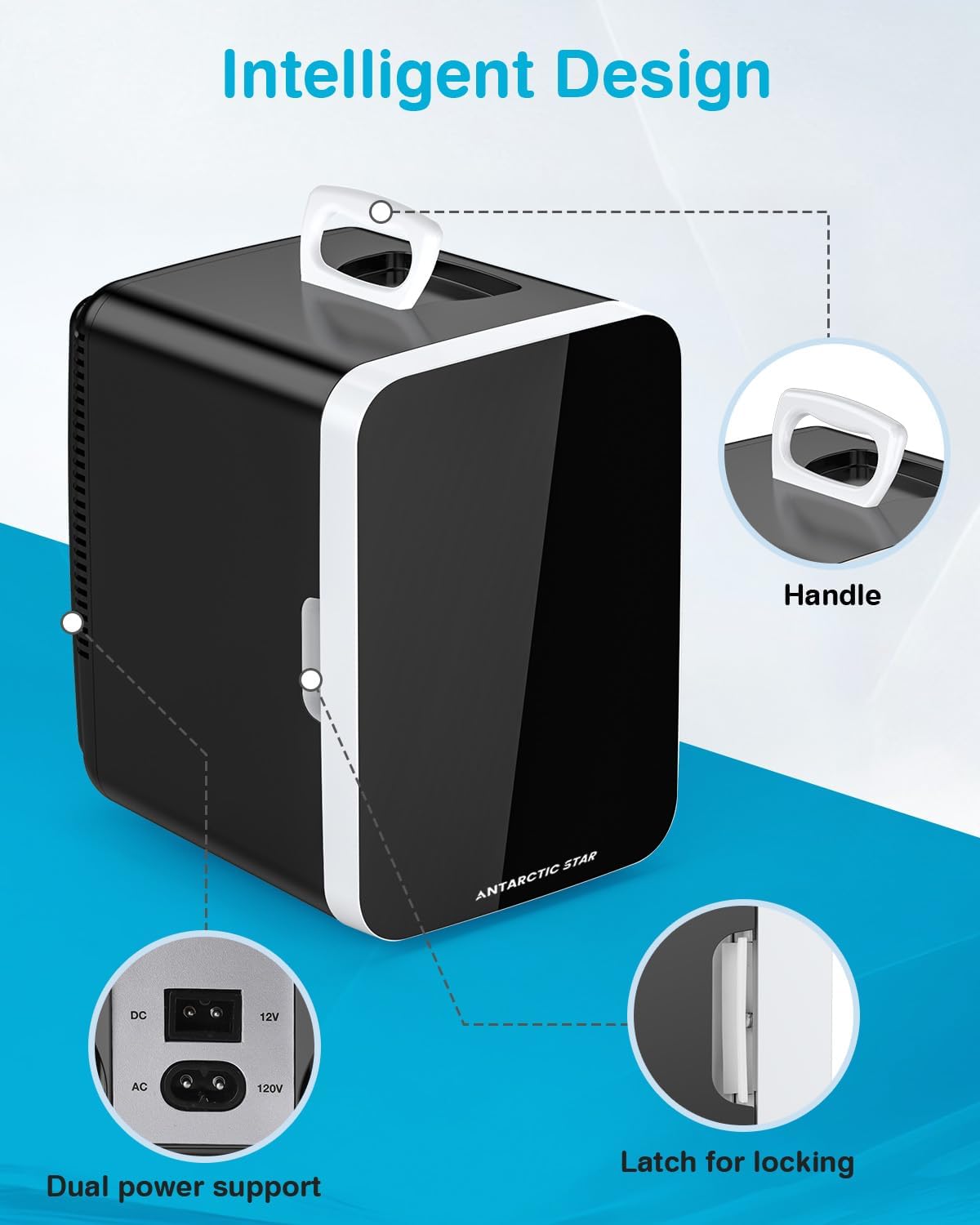
The dual power options—AC (110V) and DC (12V)—enhance the fridge’s versatility for different use cases. The AC adapter is ideal for home use, while the DC adapter allows operation in vehicles, making it suitable for travel, boating, or camping. The lightweight design (8.38 lbs) and compact size further improve portability, though the reliance on external power sources may limit its use in remote locations without access to electricity. Users should consider the availability of power outlets or charging solutions when planning for extended use.
Energy Consumption vs. Cooling Performance Trade-Off
While the Antarctic Star model is energy-efficient for its size, the thermoelectric cooling system requires continuous power to maintain low temperatures. This means the fridge cannot be left unattended for long periods without a power source. The trade-off between energy efficiency and cooling performance is evident in its ability to maintain temperatures only when actively powered. For users prioritizing energy savings, the 100 kWh annual consumption is a reasonable figure, but it may not meet the demands of high-frequency use or extended cooling cycles.
Noise Levels and Placement Suitability
Operational Noise and Environmental Impact
The Antarctic Star Compact Mini Fridge operates at 38 dB, which is comparable to a quiet conversation or a refrigerator in a residential setting. This noise level ensures minimal disruption in environments such as bedrooms, offices, or shared living spaces. The plastic construction and sealed design contribute to the low noise output, though they may also affect the fridge’s ability to dissipate heat efficiently. Users should position the fridge away from sensitive electronics or sleeping areas to avoid any potential interference with ambient noise levels.
Placement Requirements for Optimal Performance
Proper placement is critical for maximizing the fridge’s cooling efficiency and longevity. The manufacturer recommends at least 3 inches of clearance on all sides to allow for adequate airflow and heat dissipation. Placing the unit in direct sunlight or near heat sources can reduce its cooling capacity and increase energy consumption. The compact size makes it suitable for small spaces, but users should avoid overloading the interior, as this can impede airflow and compromise temperature stability. A well-ventilated area with a stable ambient temperature will ensure the fridge performs optimally.
Noise Considerations for Different Environments
The 38 dB noise level is ideal for environments where quiet operation is a priority, such as home offices or nurseries. However, in high-traffic areas or industrial settings, this noise may be less noticeable. The fridge’s design does not include sound-dampening features, so users should consider the surrounding environment when selecting a placement location. For users who prioritize complete silence, additional insulation or soundproofing may be necessary, though this is not provided by the manufacturer.

Pros & Cons
Pros
- Compact Design: The 10L capacity and 12.8″ x 9.8″ x 13.9″ dimensions make it ideal for small spaces, dorm rooms, or offices.
- Dual Power Options: AC and DC adapters provide flexibility for home and travel use, including boating and camping.
- Energy Efficiency: The 100 kWh annual consumption aligns with energy-saving goals, particularly for short-term use.
- Quiet Operation: The 38 dB noise level ensures minimal disruption in residential and professional settings.
- Lightweight and Portable: Weighing 8.38 lbs, it is easy to move and store without requiring additional support.
- ETL Certification: Compliance with safety and efficiency standards enhances trust in its performance and reliability.
Cons
- Limited Cooling Capacity: The thermoelectric system may struggle with maintaining low temperatures for extended periods or in high-heat environments.
- Manual Defrost System: Users must manually defrost the interior, which can be inconvenient for frequent use.
- No Compressor for Stability: The lack of a compressor means it cannot maintain consistent low temperatures without continuous power.
- Overloading Impact: Overfilling the interior can reduce airflow and compromise cooling efficiency.
- Placement Sensitivity: The need for 3 inches of clearance and stable ambient temperatures may limit placement options in certain spaces.
Final Verdict: Who This Freezer Is Best For (and Who Should Skip It)
The Antarctic Star Compact Mini Fridge is best suited for users who prioritize portability, energy efficiency, and quiet operation in small spaces. It is an excellent choice for students, remote workers, or travelers who need a compact cooling solution for beverages, snacks, or skincare products. The dual power options and lightweight design make it versatile for both home and on-the-go use. However, it may not be ideal for households with high cooling demands or those requiring long-term storage of perishable items. Users who prioritize compressor-based cooling, advanced temperature control, or larger storage capacity should consider alternative models. The fridge’s limitations in cooling endurance and placement requirements mean it is best suited for intermittent use rather than continuous operation. Overall, it offers a practical solution for specific needs but may not meet the demands of more extensive storage or high-heat environments.

Frequently Asked Questions (FAQs)
What is the cooling capacity of the Antarctic Star Compact Mini Fridge?
The 10L capacity is suitable for small quantities of food, beverages, or skincare products. It cools from 86°F (30°C) to 40°F (4°C) within three hours, making it ideal for short-term use in controlled environments.
Can this mini fridge operate on both AC and DC power?
Yes, it includes both AC (110V) and DC (12V) adapters, allowing use in homes, vehicles, boats, and other locations with compatible power sources.
How energy-efficient is the Antarctic Star Compact Mini Fridge?
It has an annual energy consumption of 100 kWh, which is relatively low for a 10L unit. Its thermoelectric cooling system contributes to energy efficiency, though it may not match the performance of compressor-based models.
Is the fridge suitable for outdoor or travel use?
The dual power options and lightweight design make it suitable for travel, boating, and camping. However, it requires a stable power source and should be placed in a well-ventilated area for optimal performance.
What are the noise levels like during operation?
The fridge operates at 38 dB, which is quiet enough for bedrooms, offices, or shared living spaces. It does not include sound-dampening features, so placement in a low-noise environment is recommended.
How does the cooling performance compare to compressor-based freezers?
Thermoelectric cooling is less efficient for long-term use or high-heat environments compared to compressors. The Antarctic Star model is best suited for short-term cooling in moderate conditions.
What are the placement requirements for optimal performance?
The unit requires at least 3 inches of clearance on all sides for proper airflow. It should be placed in a stable, well-ventilated area away from heat sources to ensure efficient cooling.
Is the fridge suitable for storing perishable food items?
While the fridge can maintain low temperatures for short periods, its thermoelectric system is not designed for long-term storage of perishable food. It is better suited for beverages, snacks, and non-perishable items.