

Upright Freezers: Organization, Access, and What You Give Up
Upright freezers work like a refrigerator: you open a front door and find shelves, drawers, and bins arranged at eye level. That access and organization convenience comes with real tradeoffs in energy use and, for frost-free models, long-term food quality. This guide covers what upright freezers do well, where they fall short, and how to compare them honestly against chest freezers and each other.
Or answer four questions and let the freezer finder narrow the reviews to the ones that fit how you sleep.
What Is an Upright Freezer?
An upright freezer is a front-loading unit with door-mounted shelves and interior shelf tiers, similar in form factor to a standard refrigerator. Cold air is held in by a door rather than a lid, and the interior is organized vertically rather than as a single deep bin.
Upright freezers typically range from about 6 cubic feet for smaller households up to 20 cubic feet for larger families or households with significant storage needs. They come in manual-defrost and frost-free configurations — a distinction that matters considerably for both energy use and food preservation quality.
Who Upright Freezers Are Best For
Upright freezers make the most sense for:
- Households that access the freezer frequently — multiple times per week — and benefit from being able to see and reach items without digging
- Kitchen-adjacent placement where a front-door format fits naturally into a utility room, laundry room, or kitchen layout without requiring wide floor clearance
- Organized buyers who use labeled bins, drawer dividers, or category-specific zones and want a format that supports that approach
- Families with packaged or portioned items (freezer meals, individual proteins, store-bought goods) that stack cleanly on shelves
- Buyers who prefer frost-free operation and do not want to manage manual defrost cycles
If your primary goal is maximum storage capacity per dollar and you access the freezer infrequently, a chest freezer will likely serve you better and cost less to run.
Frost-Free vs. Manual Defrost: The Key Decision
This is the most important specification distinction in the upright freezer category, and it affects buying decision, energy cost, and food quality simultaneously.
Frost-Free Uprights
Frost-free systems use a heating element and fan cycle to periodically melt frost accumulation and vent the resulting moisture out of the unit. The benefit is obvious: you never need to manually defrost. The tradeoffs are less obvious:
- Higher energy use: Frost-free uprights typically use 30–40% more energy than comparable manual-defrost models because of the periodic heating cycles
- Faster freezer burn: The fan cycles that prevent frost also draw moisture from food packaging over time. Items stored longer than three to four months in frost-free uprights experience more desiccation than in manual-defrost units
- Higher purchase price: Frost-free models carry a price premium of roughly $50–$150 over comparable manual-defrost units
Manual-Defrost Uprights
Manual-defrost uprights require you to periodically shut down the unit, remove food, and allow frost to melt — typically once or twice per year. In exchange:
- Energy use is substantially lower
- Long-term food quality is better preserved because there is no recirculating dry air
- Purchase price is lower for equivalent capacity
If you rotate food regularly and do not store items for extended periods, frost-free is a reasonable convenience purchase. If you use the freezer for long-term storage of hunting harvests, bulk purchases, or prepared meals, manual defrost preserves quality better.
The Floor Space Advantage
One practical benefit of upright freezers that is often underestimated: they use less floor space than a chest freezer of equivalent capacity. A 16-cubic-foot upright and a 16-cubic-foot chest freezer have roughly the same total volume, but the upright’s vertical design occupies a significantly smaller footprint.
This makes uprights the practical choice when floor space is the constraint — a narrow laundry room, a shared utility space, or a kitchen corner where a wide chest simply will not fit.
Energy Use Compared to Chest Freezers
Upright freezers use more energy than chest freezers of equivalent capacity, and frost-free uprights use more than manual-defrost uprights. There are two reasons:
- Door seals vs. lid seals: Every time you open a front-loading door, cold air (which is denser) falls out at the bottom and is replaced by warm ambient air. This does not happen when you open a chest lid, because cold air settles and stays.
- Frost-free heating cycles: The periodic defrost element fires regularly regardless of use frequency, adding baseline energy consumption that a chest freezer never incurs.
A typical 16-cubic-foot frost-free upright may consume 400–550 kWh per year. A manual-defrost upright of similar size lands closer to 250–350 kWh. A comparable chest freezer typically falls below 300 kWh. At $0.13 per kWh, that difference is roughly $20–$30 per year — meaningful over a 15-year appliance life.
Key Specifications to Compare
- Frost-free or manual defrost — verify before purchasing; some listings obscure this
- Capacity (cubic feet) — compare against actual shelf and drawer configurations, not just the volume number
- Energy Star certification — more important for frost-free models where baseline consumption is higher
- Shelf configuration and adjustability — wire shelves allow airflow but can be harder to clean than solid shelves; drawers add organization but reduce visible depth
- Door alarm — useful on frost-free models where an accidentally ajar door causes rapid temperature loss
- Temperature controls — digital displays with degree-level precision are more reliable than analog dial controls for maintaining consistent 0°F
What Does Not Show Up in Specifications
Door seal quality and durability are not listed in specs but matter significantly. A door that seals well at purchase but warps or loses compression within a few years affects energy use on every single cycle. Long-term buyer feedback is more reliable than short-term reviews for this.
Shelf durability and weight capacity are also typically absent from product listings. Heavy items on inadequate wire shelves can warp or crack over time. Models with reinforced shelf supports or adjustable solid shelves hold up better under real use.
Quick Decision: Upright or Chest?
Choose an upright if you access the freezer frequently, want organized shelf-based storage, have limited floor space, or strongly prefer frost-free operation.
Consider a chest instead if capacity per dollar matters most, you store items for extended periods, your footprint allows it, or you prefer the energy efficiency and long-term food quality of manual defrost. See our Chest vs. Upright guide for a full side-by-side.
Upright Freezer FAQ
Is frost-free worth it for an upright freezer?
It depends on your use pattern. If you access the freezer regularly and rotate food often, frost-free is a worthwhile convenience. If you store items for six months or longer, the desiccation effect of frost-free cycling affects food quality enough that manual defrost is often worth the twice-yearly maintenance.
How often do manual-defrost uprights need to be defrosted?
Once or twice per year under typical use, or when frost buildup reaches about a quarter inch on interior surfaces. The process takes two to three hours. Keeping the freezer at least 75% full reduces frost accumulation rate.
Can I put an upright freezer in my garage?
Only if it carries a garage-ready rating for wide ambient temperature operation. Standard uprights are designed for 55–90°F ambient conditions. Most garages exceed that range in summer or winter. See our Garage-Ready Freezers guide.
How does an upright freezer compare to a refrigerator-freezer combo?
A standalone upright freezer is dedicated entirely to frozen storage, so it holds more frozen food than the freezer compartment of any combination unit at the same price. If you need significant frozen storage capacity, a standalone upright or chest is considerably more cost-effective than upgrading to a refrigerator with a larger freezer section.
All 58 upright freezers reviews
Newest first. Consumables, accessories and parts that were once filed here are excluded.
-

Kismile 3.2 Cubic Feet Chest Freezer D58 Review: Compact Storage for Home and Office Use
Discover the Kismile 3.2 cubic feet chest freezer D58: compact, energy-efficient, and ideal for small spaces.
-
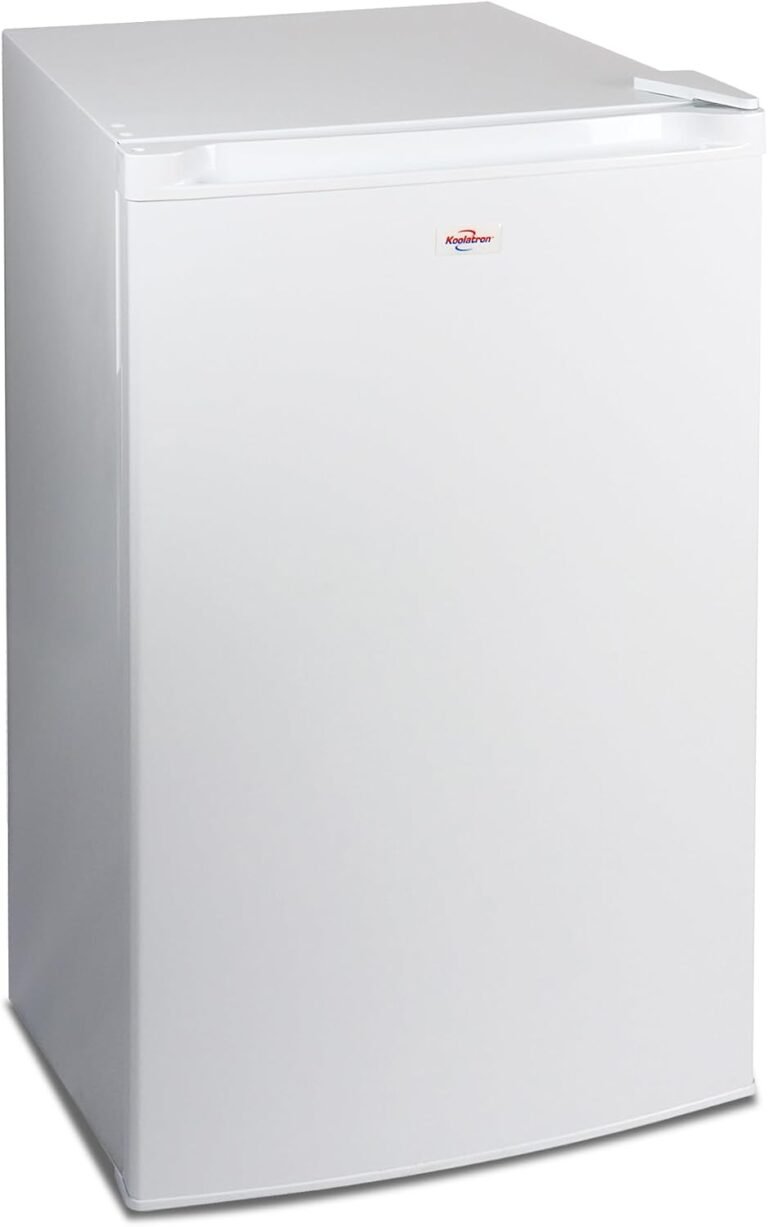
Koolatron Compact Upright Freezer, 3.1 cu ft Review
Discover the Koolatron Compact Upright Freezer, 3.1 cu ft, ideal for small spaces with organized storage and energy-efficient operation.
-

Koolatron KTUF88 Compact Upright Freezer 3.1 Cu Ft Review
This Koolatron compact upright freezer, 3.1 cu ft review covers capacity, cooling range, energy use, and placement for apartments, condos, and cottages.
-
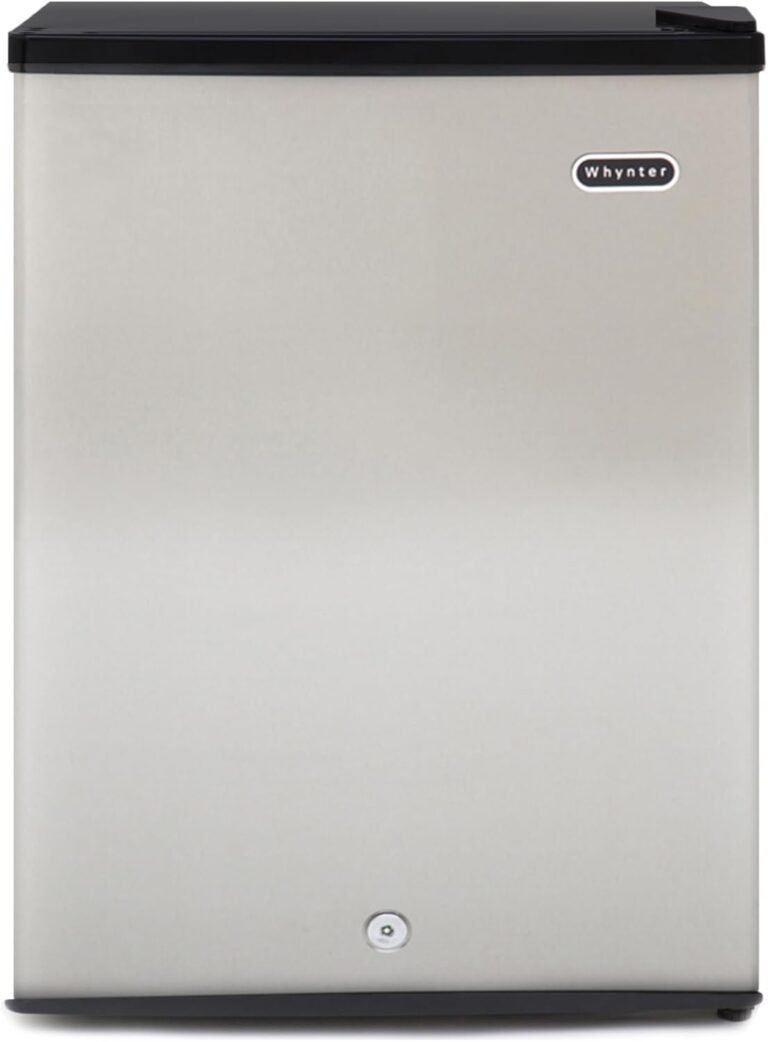
Whynter Upright Freezer with Lock, 2.1 Cu. Ft. Review
The Whynter CUF-210SS upright freezer offers 2.1 cubic feet of storage, a stainless steel door, and a secure lock for small spaces.
-

Frigidaire EFR840-Cream Review: Retro Mini Fridge with Freezer for Compact Storage
Frigidaire EFR840-Cream 3.2 cu ft fridge with freezer review: compact storage, retro design, and energy efficiency for dorms and small spaces.
-
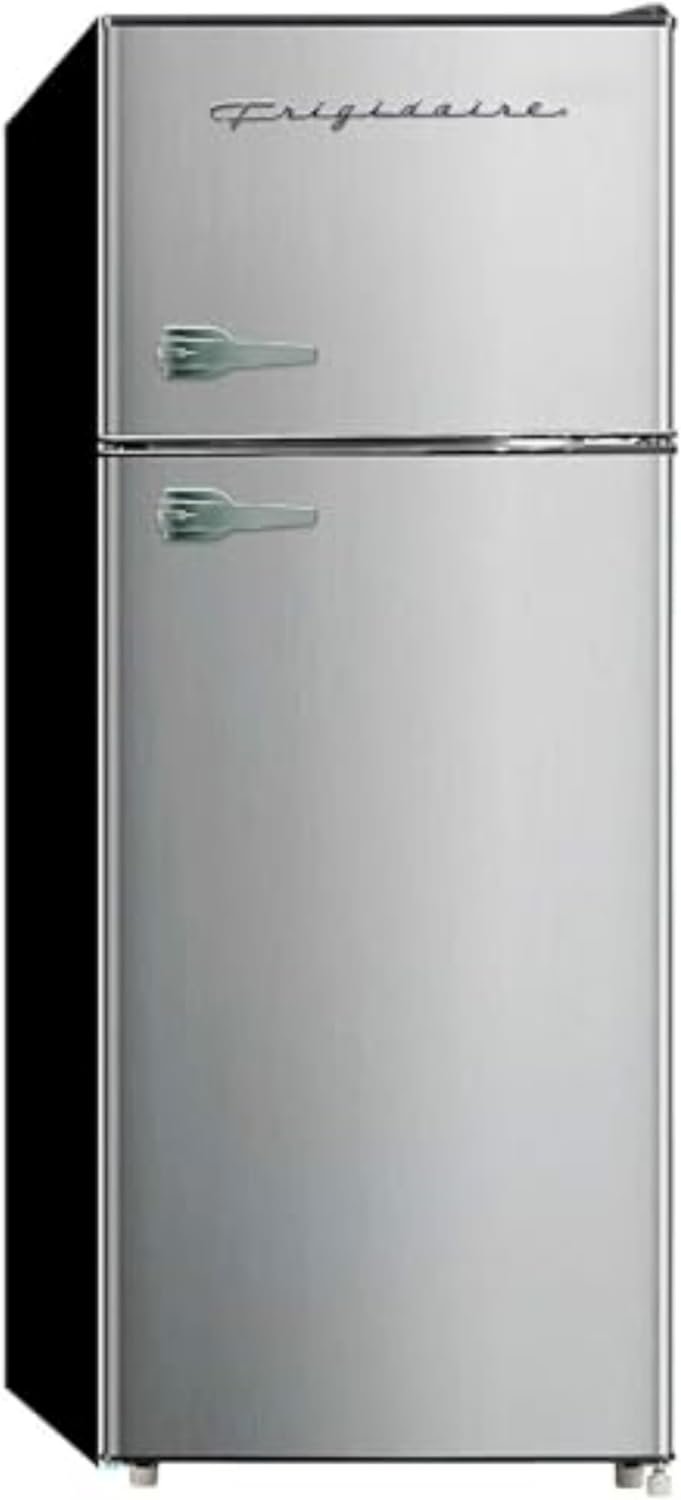
Frigidaire 2 Door Apartment Size Refrigerator/Freezer Combo Review
Frigidaire 2 Door Apartment Size Refrigerator/Freezer Combo Review: 7.5 cu ft capacity, energy-efficient, and ideal for small kitchens.
-
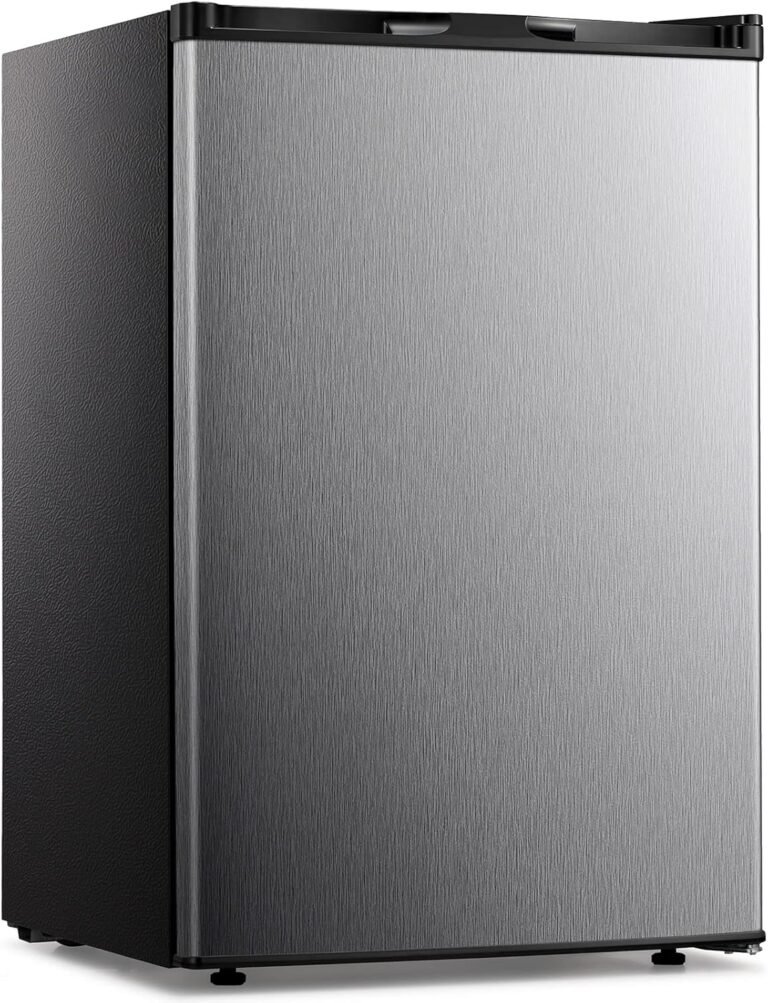
Kismile Small Freezer Upright, 3.0 Cu.ft Mini Freezer Review
The Kismile Small Freezer Upright offers 3.0 cubic feet of storage with energy efficiency and quiet operation, ideal for apartments, dorms, and…
-
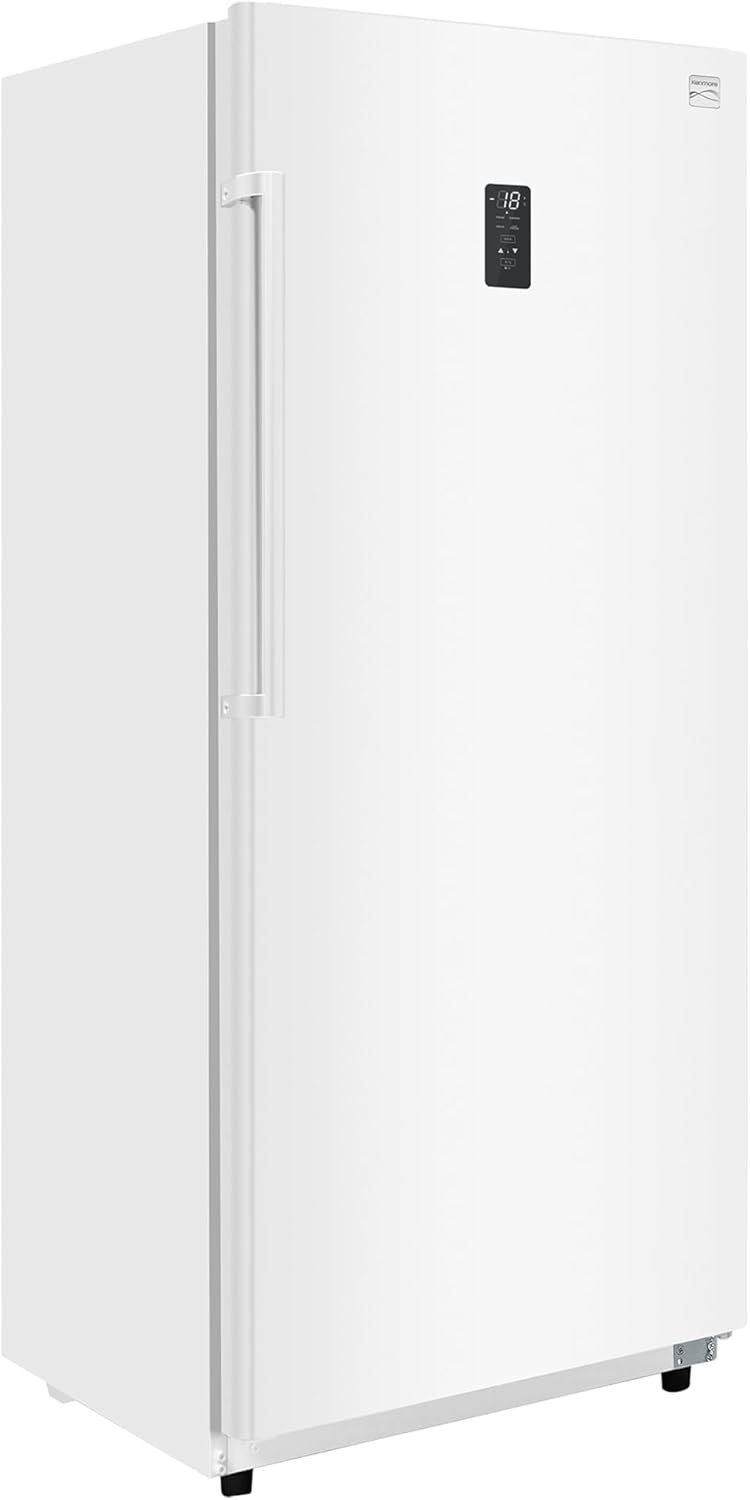
Kenmore 17.0 Cu Ft Upright Freezer Review: Storage, Efficiency, and Climate Readiness for 2026
Evaluate the Kenmore 17.0 Cu Ft Upright Freezer for storage capacity, energy efficiency, and climate adaptability. Ideal for home, garage, and basement…
-
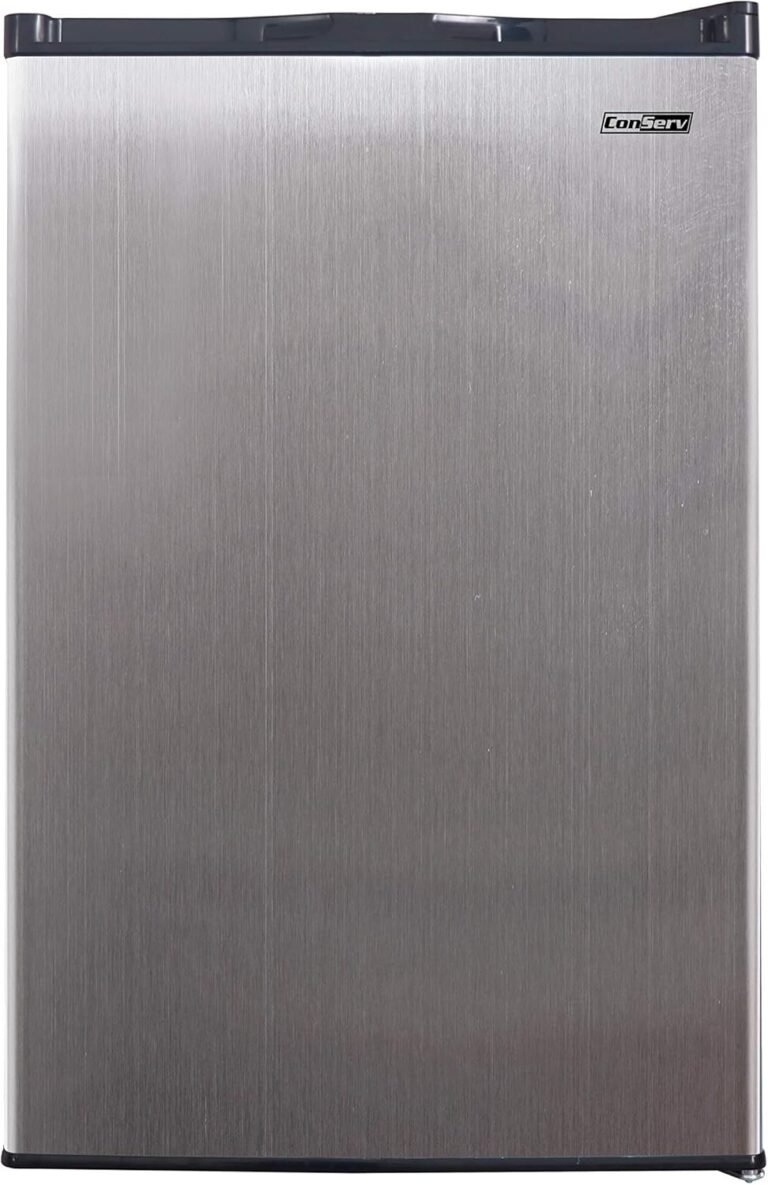
Equator Advanced Appliances Conserv 3 cu. ft. Midi Upright Freezer Review: Compact Storage for Small Spaces
Evaluate the Equator 3 cu. ft. Midi Upright Freezer’s capacity, energy efficiency, and suitability for small spaces. Learn about its design, storage…
-
Frigidaire Upright Freezer Review: 6.5 Cu. Ft. Storage for Small Spaces
Evaluate the Frigidaire upright freezer’s 6.5 cu ft storage, energy efficiency, and compact design for small kitchens, RVs, and dorms. Learn about…
-

Commercial Cool 11.1 Cu. Ft. Convertible Freezer Review: Energy-Efficient Storage for 2026
Discover the Commercial Cool 11.1 Cu. Ft. Convertible Freezer’s energy efficiency, storage capacity, and dual-mode operation for 2026. Ideal for families and…
-
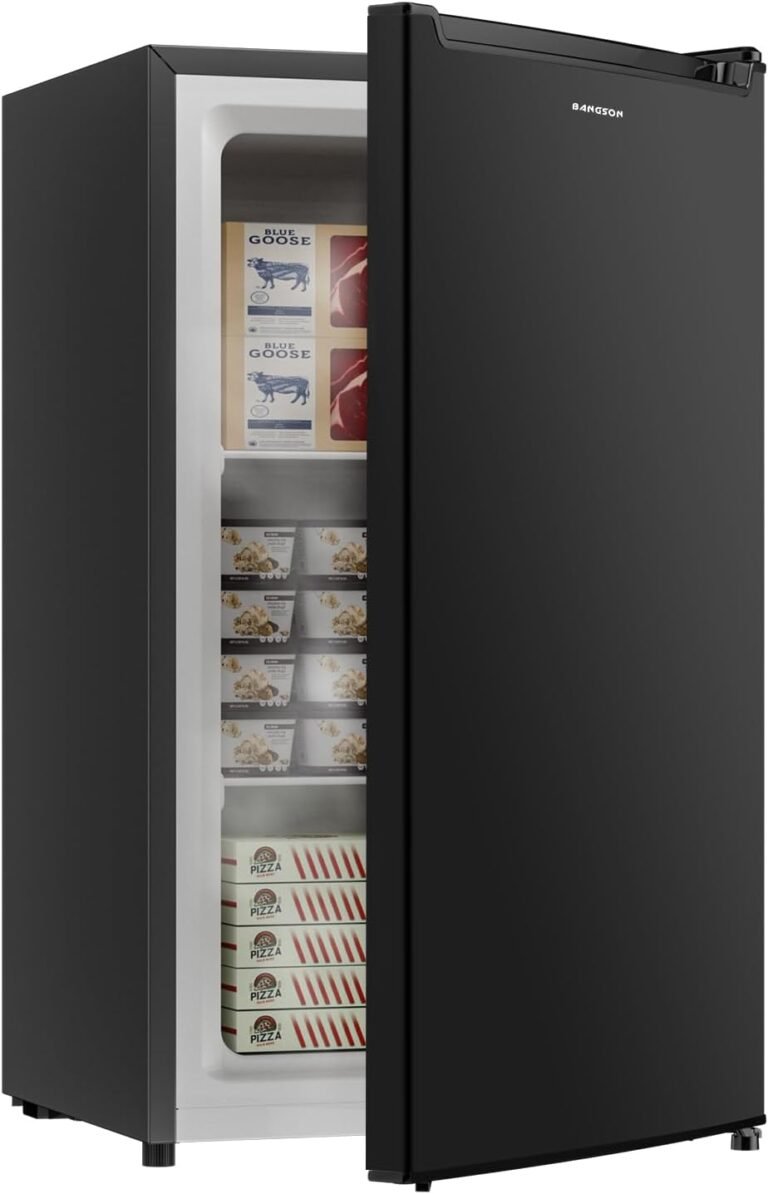
BANGSON 2.1 Cu.ft Upright Freezer Review: Compact Storage for Small Spaces
The BANGSON 2.1 Cu.ft upright freezer offers compact storage for small spaces with adjustable temperature, energy efficiency, and reversible door design. Ideal…