

Chest Freezers: What They Do Well and When to Choose One
Chest freezers hold more food per dollar than any other freezer type. They’re reliable, energy-efficient, and well-suited for bulk storage — but they require a different kind of use than most households are accustomed to. This guide explains what chest freezers are actually good at, where they fall short, and how to evaluate one before buying.
Or answer four questions and let the freezer finder narrow the reviews to the ones that fit how you sleep.
What Is a Chest Freezer?
A chest freezer is a top-loading unit where cold air settles at the bottom and stays put when you open the lid. Because cold air is denser than warm air, it does not spill out the way it does when you open a front-door freezer. That physics makes chest freezers more efficient to run and better at maintaining stable temperatures — both during normal use and during power outages.
Standard chest freezers range from about 5 cubic feet for a single person or overflow storage to 25 cubic feet or more for large households and bulk buyers. Most are single-compartment units with one or two removable wire baskets that sit near the top for smaller items.
Who Chest Freezers Are Best For
Chest freezers make the most sense for:
- Bulk buyers and warehouse shoppers who need to store large quantities of meat, produce, or prepared meals and access them infrequently
- Hunters and anglers who process and freeze whole animals or large catches, where irregular shapes fit better in a top-loading chest than on standard shelves
- Households with seasonal harvests who freeze large batches of vegetables, fruit, or prepared sauces at once
- People with a dedicated garage or basement where a large, less-accessed unit won’t disrupt daily kitchen workflow
- Anyone prioritizing long-term storage and low running costs over convenience and organization
If your use pattern involves pulling individual items a few times a week from a well-organized unit near your kitchen, an upright freezer will likely serve you better.
Capacity: What the Numbers Actually Mean
Cubic footage ratings describe interior volume, not usable storage in the way most people imagine it. A 7-cubic-foot chest freezer will not hold 7 cubic feet of packaged food — irregular item shapes, the wire baskets, and interior wall curvature all reduce practical capacity. A realistic estimate is 70–80% of rated volume for irregular items like whole cuts of meat or oddly shaped packages.
| Rated Capacity | Approximate Fit | Practical Use Cases |
|---|---|---|
| 5–7 cu ft | 1–2 people | Overflow storage, small bulk purchases, occasional hunting |
| 7–12 cu ft | 2–4 people | Monthly bulk shopping, moderate hunting or fishing |
| 12–18 cu ft | 4–6 people | Large family bulk buying, serious garden harvests |
| 18–25 cu ft | 6+ people or heavy use | Whole animal processing, year-round bulk storage |
Our Freezer Buying Guide has a more detailed sizing framework if you want to work through your actual household needs.
Temperature Stability
One underrated advantage of chest freezers is their behavior during power outages. Because the lid seals tightly and cold air does not escape when opened, a fully stocked chest freezer can maintain safe temperatures for 24–48 hours without power, depending on ambient conditions and fill level. A fuller unit holds temperature longer because the frozen mass itself acts as a thermal buffer.
That stability also applies during normal use. The compressor cycles less frequently when the unit holds temperature well, contributing to both energy efficiency and longer compressor life over time.
Energy Efficiency
Most chest freezers carry Energy Star certification and typically consume between 200 and 400 kWh per year depending on size, model, and placement. That is generally less than an equivalent upright freezer — particularly when comparing against upright units with frost-free systems, which chest freezers rarely have.
At an average U.S. electricity rate of roughly $0.13 per kWh, annual operating cost works out to approximately $26–$52 for a standard-sized chest freezer. Older, non-certified units consume significantly more.
Manual Defrost: What It Means in Practice
Nearly all chest freezers are manual defrost only. Frost builds up on interior walls over time, and once or twice per year you will need to turn the unit off, remove everything, let the frost melt, wipe down the interior, and restock.
This is manageable if you plan for it: schedule it when your stock is lower, have coolers ready, and set aside two to three hours. But if the idea of periodic manual defrosting is a consistent problem, an upright with frost-free technology is worth the price difference.
Worth noting: frost-free uprights cycle dry air through the interior to prevent frost accumulation, which also extracts moisture from food packaging. Over a long storage period, frost-free systems accelerate freezer burn slightly compared to manual-defrost chest freezers. For items stored longer than six months, manual defrost chest freezers typically preserve quality better.
Organization: The Main Drawback
Chest freezers are notoriously difficult to organize. Items at the bottom get buried, and without a deliberate system, you will lose things. This is not a product defect — it is an inherent result of the top-loading single-compartment design.
Practical organization approaches include stackable rigid bins that divide the interior by category, heavy-duty zipper bags to compress irregular cuts, and a simple written or app-based log of what is stored and when it went in. Some buyers use color-coded bags to track age by year without digging.
Key Specifications Worth Comparing
- Rated capacity (cubic feet) — compare within your size range, not across very different sizes
- Energy Star certification — a reliable proxy for operating efficiency
- Compressor warranty — 5 years is standard; longer is worth the premium for a unit expected to run a decade or more
- Temperature range — confirm the unit reaches and holds 0°F reliably; cheaper models sometimes struggle at the lowest settings
- Lid hinge and gasket quality — wear points that affect both temperature stability and long-term energy use
- Garage-ready rating — required if the unit will live outside a climate-controlled space. See our Garage-Ready Freezers guide.
What Does Not Appear in Specifications
Compressor noise is rarely listed in product data, but it matters if the freezer will sit near a living space. Units vary from nearly silent to audible during compressor cycling, and this information surfaces most reliably in long-term buyer feedback rather than spec sheets.
Lid gasket durability is another blind spot. A gasket that seals well at purchase but begins to degrade within a few years significantly affects both energy use and temperature stability. Extended ownership feedback patterns are the most useful signal here — short-term reviews are not a reliable proxy.
Quick Decision: Chest or Upright?
Choose a chest freezer if you are buying 10+ cubic feet, store items in bulk with infrequent access, have garage or basement space, and are comfortable with annual manual defrosting.
Consider an upright instead if you need frequent organized access, want frost-free operation, or have only narrow floor space available. The full comparison is in our Chest vs. Upright guide.
Chest Freezer FAQ
How full should a chest freezer be to run efficiently?
At least 75% full. The frozen mass helps maintain temperature between compressor cycles. If your unit is frequently near-empty, consider a smaller size or fill unused space with water-filled containers to maintain thermal mass and reduce cycling.
How often do chest freezers need defrosting?
Most manufacturers recommend defrosting when frost accumulation reaches about a quarter inch, which typically means once or twice per year under normal use. Units in humid environments or those opened frequently may need it more often.
Can I put a chest freezer on carpet?
Not recommended. Chest freezers need airflow around the compressor and coils at the base and sides. Carpet restricts ventilation, causing the unit to run hotter and less efficiently, and potentially shortening compressor life. A hard, level surface is strongly preferred.
Are all chest freezers safe for garage placement?
No. Standard chest freezers are typically rated for ambient temperatures between 55 and 90°F. Garages routinely exceed that range. See our Garage-Ready Freezers guide for what to look for in a unit designed for that environment.
How long do chest freezers last?
Well-maintained chest freezers commonly last 15–20 years. The compressor is the most likely failure point; a longer compressor warranty is a useful proxy for manufacturer confidence in longevity. Models with minimal electronics and straightforward mechanical designs tend to outlast feature-heavy units.
All 43 chest freezers reviews
Newest first. Consumables, accessories and parts that were once filed here are excluded.
-

Midea MERC07C4BAWW Chest Freezer, 7.0 Cubic Feet Review
The Midea MERC07C4BAWW chest freezer offers 7.0 cubic feet of storage with convertible fridge/freezer modes, garage-ready design, and power outage…
-
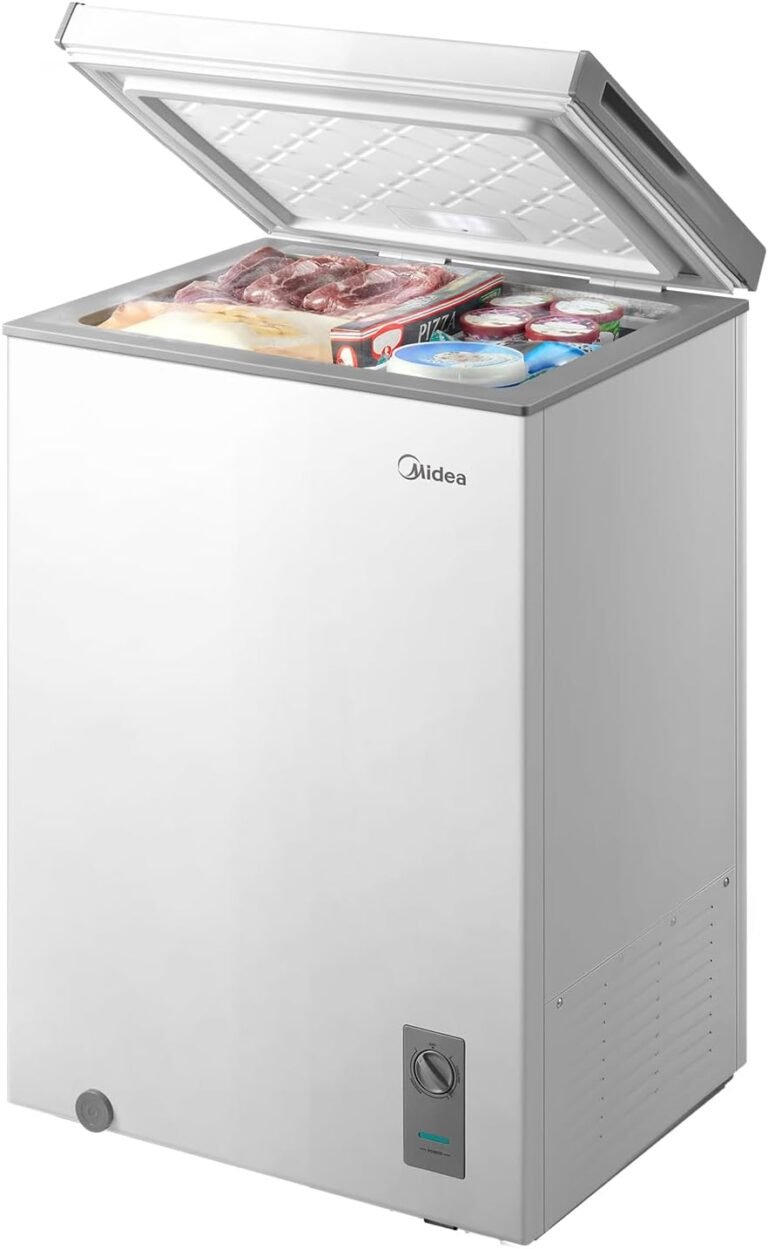
Midea MERC04C4BAWW Chest Freezer, 3.5 Cubic Feet Review
The Midea MERC04C4BAWW chest freezer, 3.5 cubic feet, offers convertible functionality for both freezer and fridge modes, ideal for small spaces and…
-

Kismile 3.2 Cubic Feet Chest Freezer D58 Review: Compact Storage for Home and Office Use
Discover the Kismile 3.2 cubic feet chest freezer D58: compact, energy-efficient, and ideal for small spaces.
-

Northair 1DCDW50 Chest Freezer Low Temperature Quick Freeze Review
The Northair 1DCDW50 chest freezer offers a 1.8 cubic foot capacity with a wide temperature range of 14°F to -40°F.
-
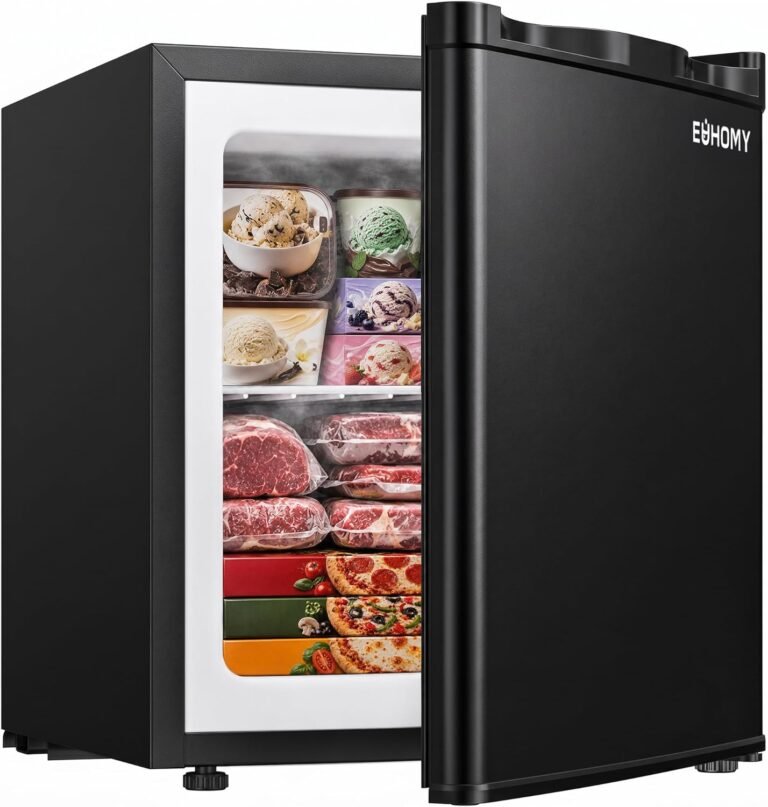
EUHOMY 1.1 Cubic Feet Mini Freezer, Review
The EUHOMY 1.1 cubic feet mini freezer offers a compact, energy-efficient solution for small spaces.
-
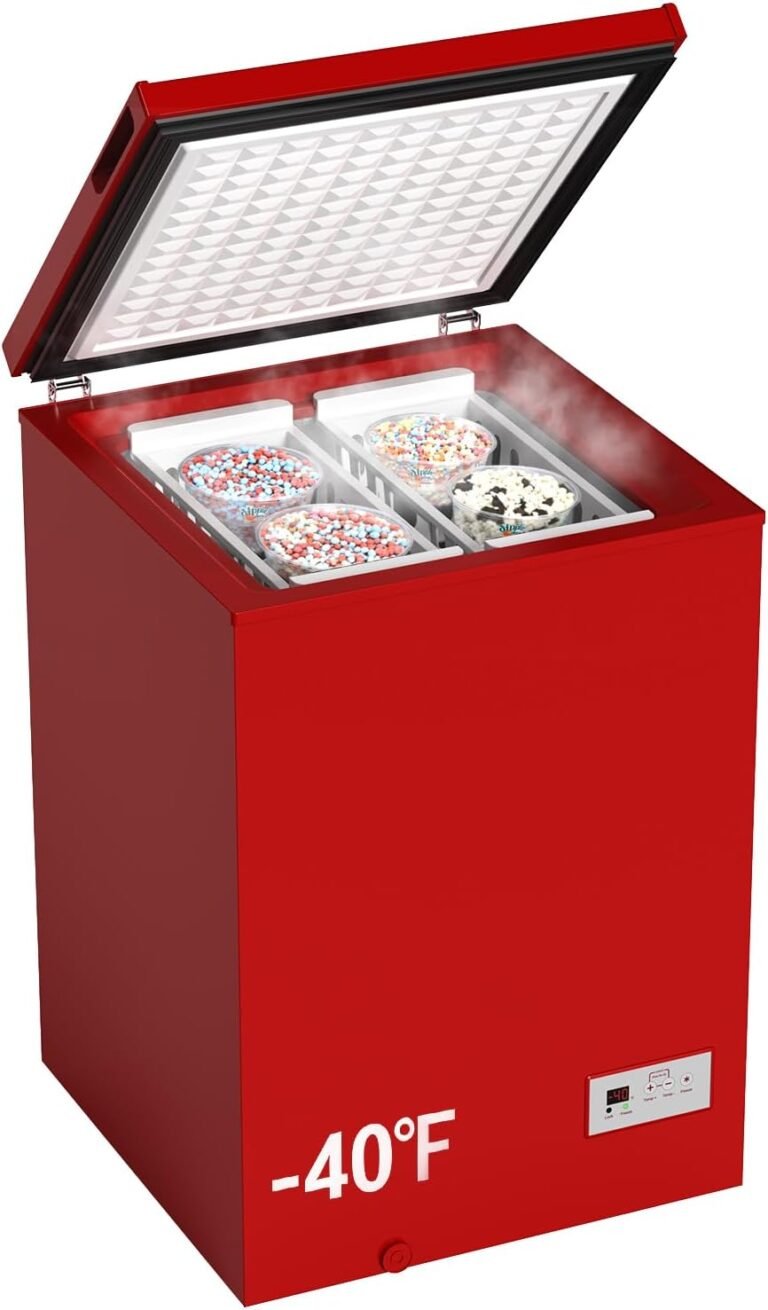
Northair 3.5 Cu Ft Low Temperature Chest Freezer Review
Review of the Northair 3.5 Cu Ft low temperature chest freezer with energy efficiency, storage capacity, and ultra-low freezing features.
-
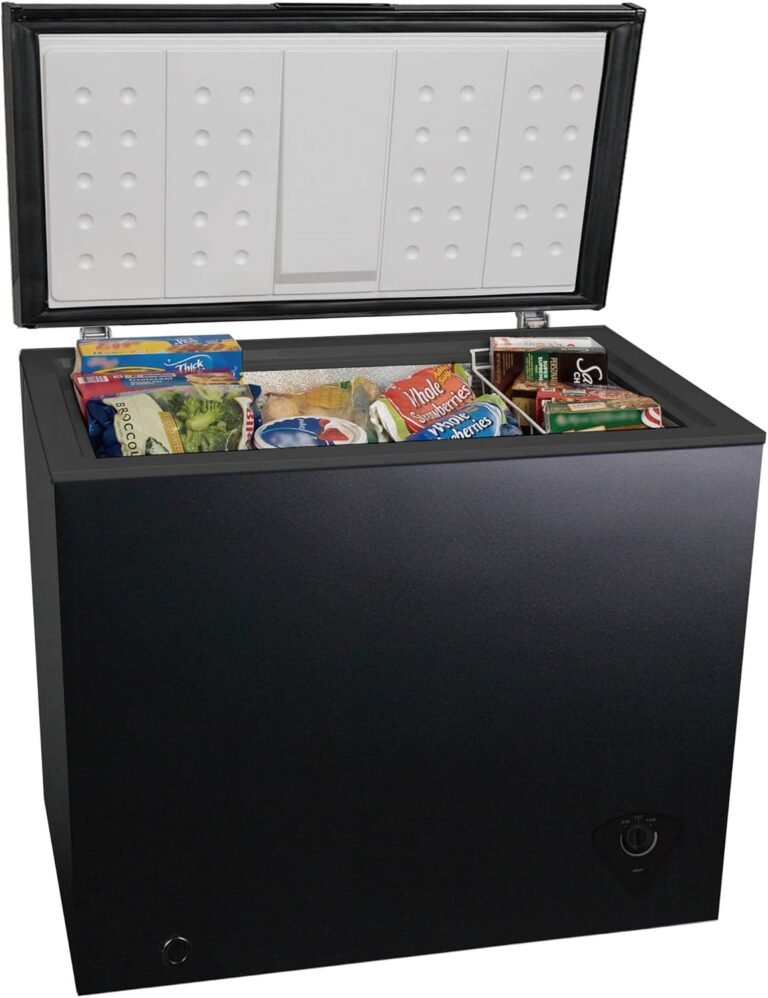
Arctic King ARC070S0ARBB 7 cu ft Chest Freezer Review
Explore the Arctic King ARC070S0ARBB 7 cu ft chest freezer’s energy efficiency, storage capacity, and durability.
-
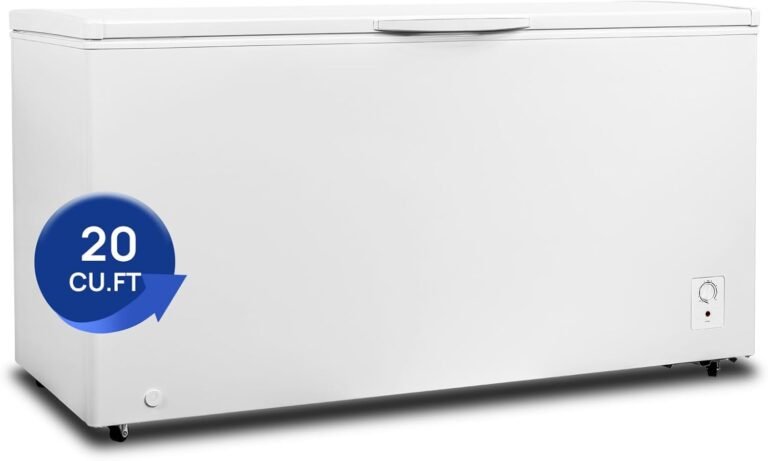
Garage-Ready 20 Cu. Ft. Chest Freezer Review: Storage, Efficiency, and Performance Analysis
Evaluate the 20 cu. ft. chest freezer’s storage capacity, temperature control, and energy efficiency for home and commercial use in 2026.
-
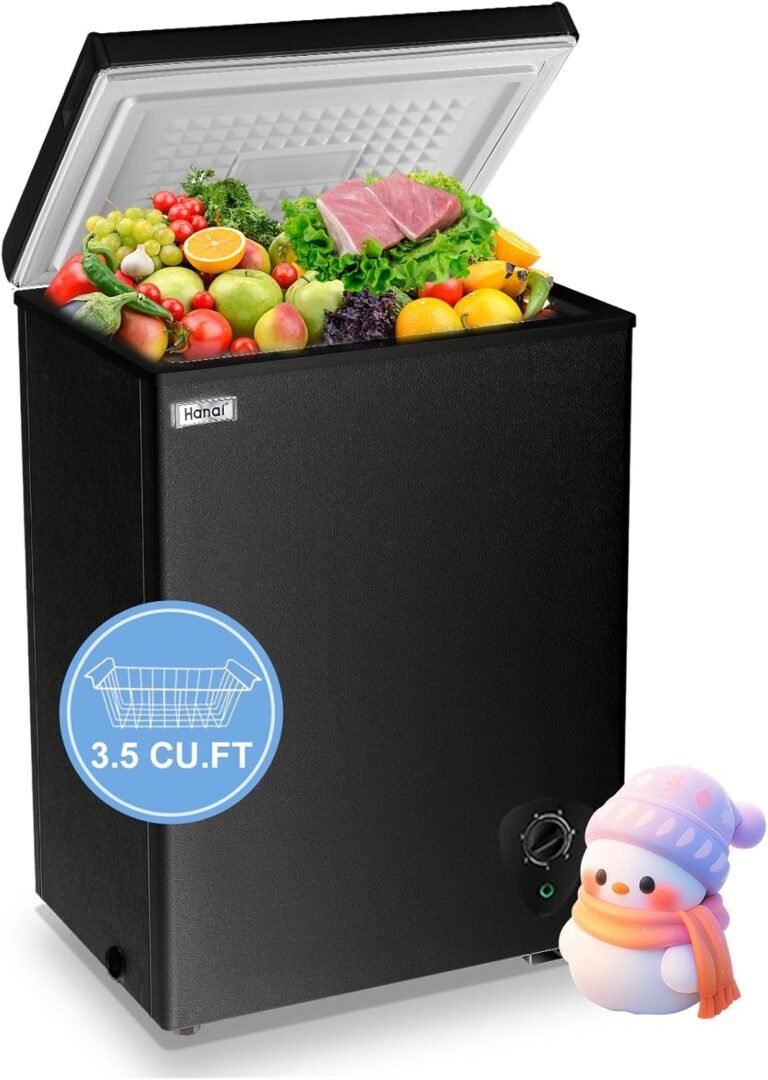
Compact Freezer Review: 3.5 Cu.Ft Black Freezer for Apartments and Small Spaces
Review of the WANAI 3.5 Cu.Ft black freezer with energy-efficient design, adjustable temperature, and compact storage for apartments and small spaces.
-
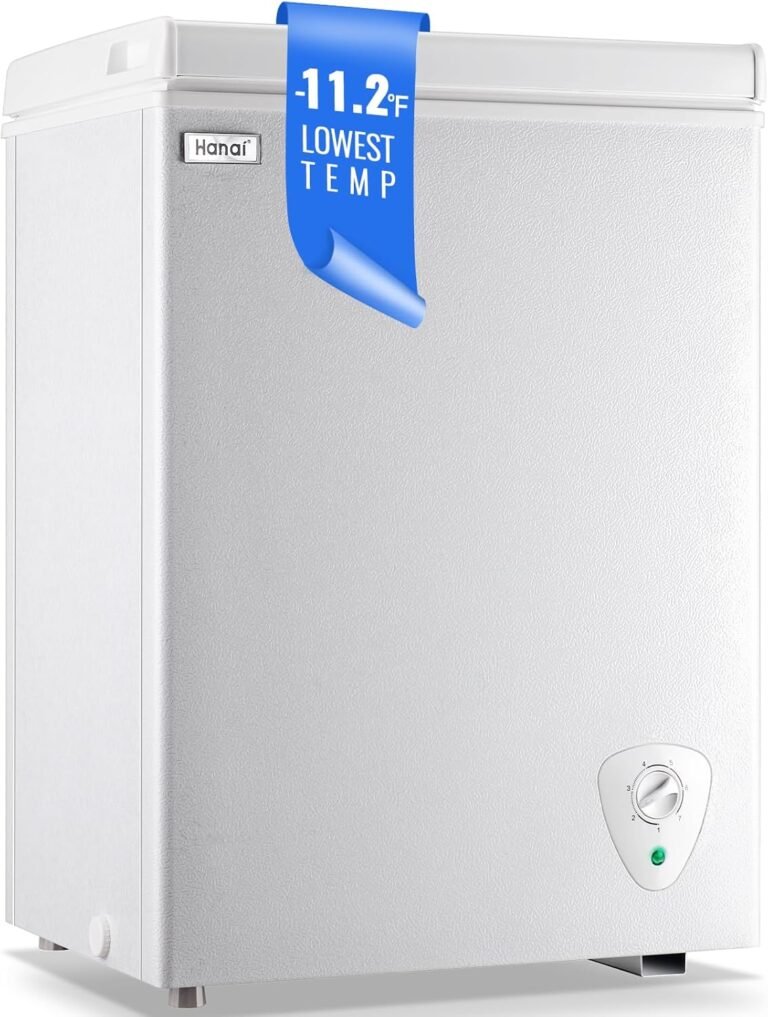
WANAI Deep Freezer Black Small Chest Freezers with Storage Basket Top Open Door Mini Compact Freezer 7 Temperature Control
Evaluate the WANAI BD-75B chest freezer for storage capacity, energy efficiency, and climate readiness. Ideal for homes, garages, and offices with compact…
-
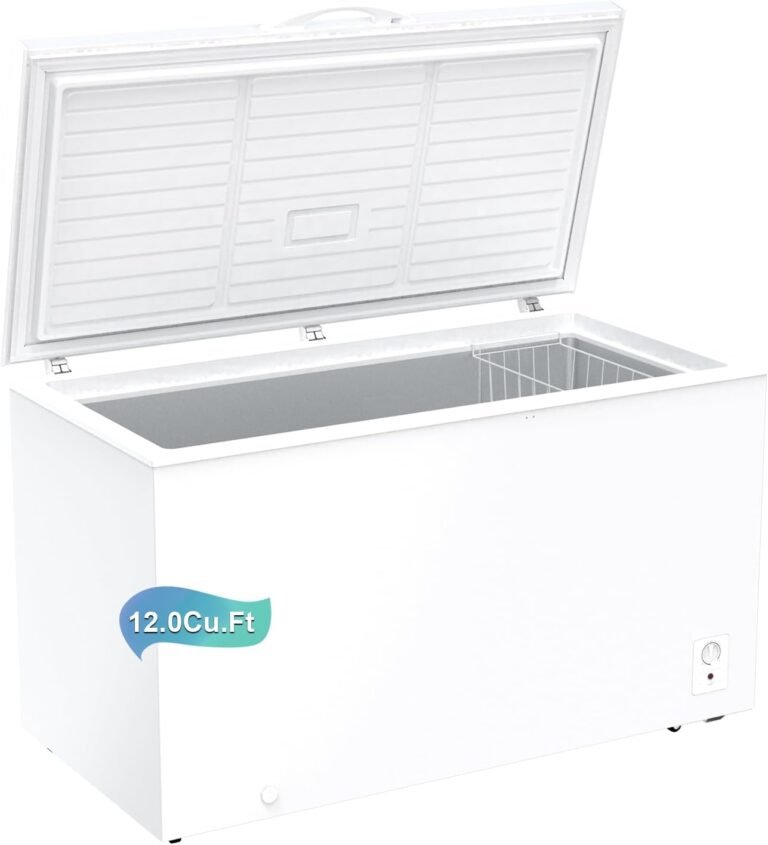
12.0 Cu.Ft Chest Freezer Review: Best for Family Storage and Energy Efficiency
Explore the 12.0 Cu.Ft Rosmena BD-320-W chest freezer’s large capacity, precise temperature control, and energy efficiency. Ideal for home and small commercial…
-
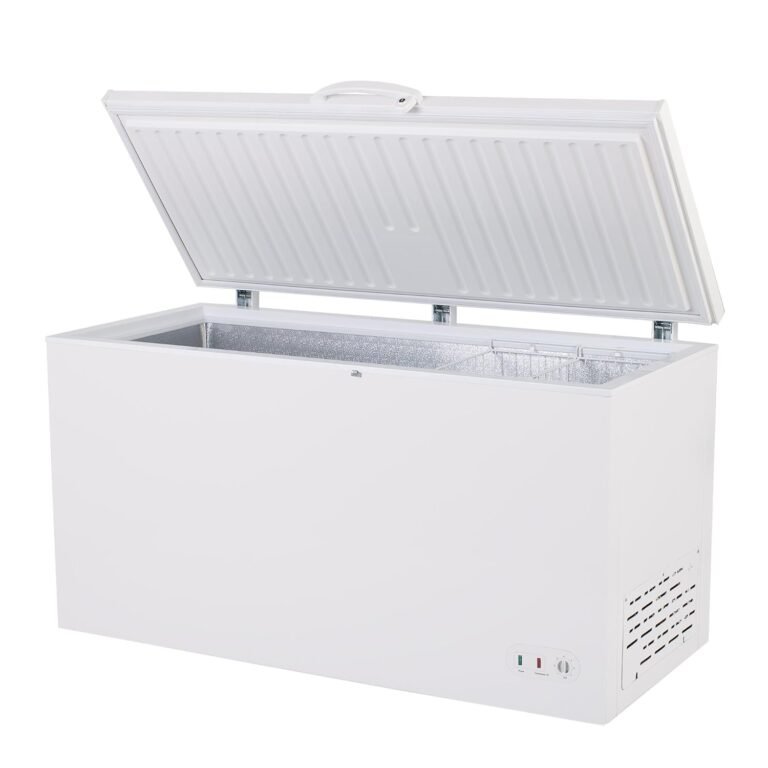
Maxx Cold MXSH15.9SHC Commercial Chest Freezer Review: Storage Capacity, Efficiency, and Durability
Maxx Cold MXSH15.9SHC commercial chest freezer offers 15.9 cu ft storage, climate adaptability, and durable insulation. Ideal for home, commercial, and garage…